
Iran News: Key Tensions with US & Israel
The relationship is not based on one disagreement. Instead, several issues overlap. These include Iran’s nuclear program, missile development, regional partnerships, American sanctions, Israeli security concerns, Palestinian politics, and military deterrence.
Iran News remains closely watched because Iran has a major role in Middle Eastern politics. Its tense relationships with the United States and Israel affect security across the region. Moreover, these tensions can influence energy markets, shipping routes, diplomacy, and the daily lives of millions of people.
Why Iran News Matters
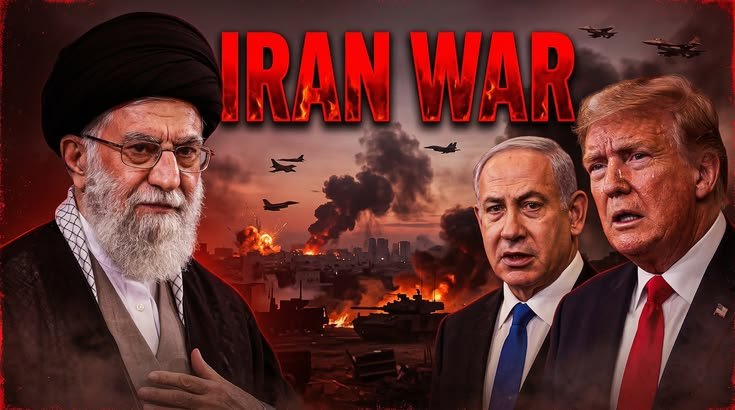
Iran is one of the largest countries in the Middle East. It has major energy resources and a strategic position near the Persian Gulf. Furthermore, it has political and military relationships across several parts of the region.The importance of Iran News extends far beyond Iran’s borders.
Iran’s Geographic Importance
Iran borders several countries and has access to important maritime routes.
The Strait of Hormuz is particularly important.
Large volumes of energy products move through the wider Persian Gulf.
Consequently, a serious security crisis involving Iran could affect global oil markets and shipping.
Iran’s Regional Influence
Iran has developed relationships with governments and armed groups in the region.
These relationships are part of its wider security strategy.
Iran argues that regional partnerships help deter threats.
Its opponents argue that these networks increase instability.
Therefore, Iran’s regional role remains one of the main reasons it is central to Middle Eastern politics.
Iran News: The History of US and Iran Tensions
The modern US Iran conflict has deep historical roots.
Before the 1979 Iranian Revolution, Iran and the United States were close partners.
However, the revolution transformed that relationship.
The new Islamic Republic adopted a strongly anti American foreign policy.
The 1979 Hostage Crisis
One of the most important events was the seizure of the US embassy in Tehran.
American diplomats were held hostage for more than a year.
The crisis created lasting anger in the United States.
It also helped shape the hostile relationship between Washington and Tehran.
Iran News: Decades of Distrust
Since then, the two countries have disagreed over many issues.
These include nuclear policy, sanctions, military activity, regional influence, and relations with Israel.
Each side has developed deep distrust of the other.
Therefore, even when negotiations begin, reaching a lasting agreement can be difficult.
Iran News: The Nuclear Dispute
Iran’s nuclear program is one of the most important sources of tension between Iran, the United States, and Israel.
Iran says its nuclear program has peaceful goals.
However, the United States and Israel have repeatedly raised concerns about Iran’s enrichment activities and nuclear capabilities.
Why Enrichment Creates Concern
Uranium enrichment has legitimate civilian uses.
However, highly enriched uranium can also be used in a nuclear weapons program.
Therefore, international governments closely monitor enrichment levels, stockpiles, facilities, and inspections.
The question is not only what Iran says its intentions are.
It is also about what capabilities Iran possesses and how much international access exists to verify its activities.
The IAEA
The International Atomic Energy Agency plays an important role in monitoring Iran’s declared nuclear activities.
Its inspectors collect information and produce technical reports.
However, monitoring depends on cooperation and access.
Therefore, diplomatic agreements remain important for maintaining transparency.
Iran News: The US Approach to Iran
American policy toward Iran has included diplomacy, sanctions, military deterrence, and pressure.
Different US administrations have used different combinations of these tools.
Sanctions
Sanctions have become one of Washington’s main methods of putting pressure on Tehran.
They have affected Iran’s oil exports, banking system, trade, investment, and other economic sectors.
The United States argues that sanctions can encourage Iran to change policies.
Iran argues that sanctions are economic warfare and violate its national sovereignty.
The Economic Cost
Sanctions can have wide effects.
When financial transactions become harder, companies may reduce investment.
When oil exports are restricted, government income can decline.
Currency pressure can also increase inflation.
Consequently, economic sanctions can affect ordinary people as well as government institutions.
Iran and Israel: The Core Regional Rivalry
Iran and Israel have been serious rivals since the Iranian Revolution.
Their relationship includes political, ideological, military, and strategic disagreements.
Israel does not view Iran simply as another regional competitor.
It considers Iran a major security threat.
Israel’s Main Concerns
Israeli leaders have repeatedly pointed to several concerns.
These include Iran’s nuclear activities, missile program, drones, and relationships with armed groups.
Israel argues that these capabilities could create serious risks to its national security.
Iran, on the other hand, says Israel threatens Iranian sovereignty and that its defensive capabilities are necessary.
Therefore, each country sees its military actions through a different security lens.
Iran’s Relationship With Palestinian Groups
The Palestinian issue is an important part of Iran’s regional policy.
Iran strongly supports the Palestinian cause and has relationships with Palestinian political and armed organizations.
Israel views some of these organizations as terrorist groups and considers Iranian support a serious security problem.
Iran argues that its support is part of resistance against Israeli policies.
This disagreement adds another layer to the already difficult relationship.
Jerusalem and Islamic Importance
Jerusalem has major importance in Islam.
Al Aqsa Mosque is one of Islam’s holiest sites.
Therefore, events involving Jerusalem and Palestine have strong emotional and religious importance for Muslims around the world.
However, religious concern should not be confused with support for violence against civilians.
Islamic teachings emphasize justice and the protection of innocent life.
Iran News: Iran’s Military Strategy
Iran has developed a military strategy designed to deter stronger opponents.
Its capabilities include missiles, drones, naval forces, air defenses, cyber tools, and regional partnerships.
Missile Capabilities
Missiles are one of Iran’s most important military assets.
They provide Tehran with the ability to threaten targets at considerable distances.
Iran sees these weapons as part of its national defense.
Israel and the United States see them as major security concerns.
This difference creates a classic deterrence problem.
Drone Capabilities
Iran has also developed a large drone industry.
Drones can perform surveillance or carry weapons.
They can be less expensive than advanced aircraft.
Therefore, they can provide a way to place pressure on sophisticated air defense systems.
However, drones can also be intercepted or disrupted.
Their military value depends on range, accuracy, speed, electronic warfare, and defensive technology.
Israel’s Military Advantage
Israel has one of the most advanced militaries in the region.
It possesses modern aircraft, intelligence systems, missile defenses, and other advanced technologies.
Missile Defense
Israel has developed multiple layers of missile defense.
These systems are designed to deal with different types of incoming threats.
However, no defense system can guarantee complete protection.
Therefore, even advanced defensive technology does not remove the danger of escalation.
Intelligence
Israeli intelligence agencies have extensive capabilities.
Intelligence plays an important role in tracking military movements, nuclear facilities, missile programs, and regional armed groups.
This capability is another reason Iran considers Israel a serious security competitor.
The United States and Israel
The United States has a strong security relationship with Israel.
Washington provides military, diplomatic, and strategic support.
Consequently, a major Iran Israel conflict can create pressure on the United States to respond.
Why This Creates Risk
Iran may view American support for Israel as evidence that any conflict with Israel could eventually involve Washington.
Israel may view American support as essential to its security.
The United States, however, has reasons to avoid a large regional war.
Therefore, American policy often tries to balance deterrence with escalation control.
Iran News: Strategic Scenarios for the Future
Several broad scenarios are possible.
Limited Confrontation
The first possibility is continued competition without full scale war.
In this scenario, military threats, sanctions, cyber activity, and indirect conflicts continue.
Wider Regional Conflict
A second possibility is escalation involving several countries and armed groups.
This would create much greater humanitarian and economic costs.
Renewed Diplomacy
A third possibility is a return to serious negotiations.
This could reduce tensions around the nuclear program and regional security.
Mixed Competition
A fourth possibility is continued rivalry combined with diplomacy.
This may be the most realistic long term pattern.
Countries can compete militarily while also negotiating.
Iran News: Why Strategic Balance Matters
The Middle East does not have a simple balance of power.
Iran has geographic depth, missiles, drones, and regional relationships.
Israel has advanced technology, air power, intelligence, and missile defenses.
The United States has global military reach and powerful alliances.
Gulf states have major financial and energy resources.
Russia and China have economic and diplomatic influence.
Therefore, every major actor has strengths and weaknesses.
Conclusion
Iran News is important because the tensions between Iran, the United States, and Israel influence much of the Middle East’s security environment. These tensions are not caused by one issue. Instead, they come from decades of political distrust, nuclear concerns, military competition, sanctions, regional alliances, and different views about security.
About The Author
