
Iran News: Current War Standoff Explained
Iran News has become a major focus for readers trying to understand the current war standoff in the Middle East. Iran is involved in one of the region’s most complex security environments. Tensions involving Iran, Israel, the United States, regional armed groups, and neighboring countries have created fears of a wider conflict.
Iran has long faced tension with Israel and the United States. At the same time, Iran has developed strong relationships with several regional actors. Meanwhile, Israel has expressed serious concerns about Iran’s nuclear program, missile capabilities, and regional influence.
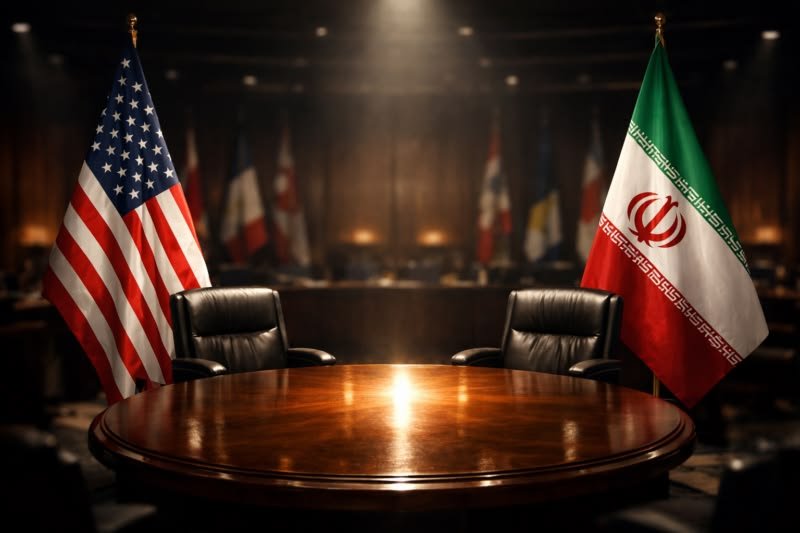
What Does the Current War Standoff Mean?
A war standoff does not always mean that a full-scale war has officially begun.
Instead, it can describe a situation in which opposing sides are using military strength, threats, limited attacks, and political pressure while trying to avoid or prepare for a larger conflict.
In the case of Iran, the standoff involves several layers.
These include:
- Iran and Israel
- Iran and the United States
- Israel and regional armed groups
- maritime security disputes
- the nuclear issue
- regional military alliances
- economic sanctions
- diplomatic negotiations
Therefore, Iran News about the current standoff must be understood within a wider regional context.
A military incident in one country can quickly affect several others.
For example, an attack in the Gulf region may increase tension between Iran and the United States. Likewise, fighting near Israel’s northern border may create concerns about a wider conflict involving Lebanon and Iran.
Why Iran Is Central to the Current Standoff
Iran is one of the largest and most influential countries in the Middle East.
Its importance comes from several factors.
Geographic Position
Iran is located near major trade and energy routes.
The country has access to the Persian Gulf, the Gulf of Oman, and areas close to the Strait of Hormuz.
Therefore, a major conflict involving Iran could affect international shipping and energy markets.
Military Capabilities
Iran has invested heavily in its defense capabilities.
These include:
- ballistic missiles
- drones
- air defense systems
- naval forces
- surveillance technology
Iran describes its military strategy as focused on national defense and deterrence.
However, Israel, the United States, and other governments have raised concerns about some Iranian military capabilities.
Therefore, military strength is both a source of national security for Iran and a source of regional tension.
Regional Relationships
Iran also has political and strategic relationships with different governments and armed groups.
These relationships increase Iran’s regional influence.
However, they also create concern among Iran’s rivals.
As a result, Iran’s role in the Middle East cannot be understood only by looking at its own borders.
Iran and Israel: The Core of the Military Standoff
A Long History of Hostility
Iran and Israel have been political and strategic rivals for many years.
For a long period, much of the conflict remained indirect.
The confrontation included:
- intelligence operations
- cyber activity
- military strikes outside national borders
- accusations of sabotage
- attacks involving regional groups
However, direct exchanges have increased concerns that the conflict could move into a more open military phase.
Israel’s Security Concerns
Israel has repeatedly expressed concern about Iran’s nuclear program.
It has also raised concerns about Iran’s missile development and its relationships with armed groups in the region.
Israeli leaders have argued that Iran represents a major security threat.
Therefore, Israel has supported strong measures intended to limit Iranian military capabilities.
Iran’s Position
Iran rejects the idea that its military and nuclear policies are intended to threaten regional populations.
Iran has stated that its nuclear program is for peaceful purposes.
Iranian leaders also describe their military development as necessary for national defense and deterrence.
At the same time, Iran strongly opposes Israeli policies toward Palestinians and does not recognize Israel in the same political manner as countries that maintain normal diplomatic relations with it.
Therefore, the conflict is connected to security, ideology, history, regional influence, and the Palestinian issue.
The Role of the United States
Why Washington Is Involved
The United States has been deeply involved in Middle East security for decades.
Its close relationship with Israel is one of the most important parts of its regional policy.
The United States also maintains security partnerships with several Arab countries.
In addition, American military forces have operated in different parts of the Middle East.
Therefore, a serious Iran-Israel conflict could involve American interests.
The Iran-U.S. Dispute
Iran and the United States disagree on several major issues.
These include:
- Iran’s nuclear program
- economic sanctions
- regional armed groups
- missile development
- maritime security
- military deployments
As a result, the relationship has remained highly difficult.
During periods of crisis, military movements and public warnings can increase the danger of misunderstanding.
However, strong statements do not always mean that immediate war is certain.
Therefore, readers should examine actual military developments rather than relying only on political language.
The Nuclear Issue and the Risk of Conflict
Why the Nuclear Program Matters
Iran’s nuclear program remains one of the most sensitive issues in international politics.
Iran says its program is peaceful and has repeatedly denied seeking to build a nuclear weapon.
However, Israel and some Western governments have expressed concern about Iran’s nuclear capabilities and the possibility that Iran could gain the ability to produce nuclear weapons.
The disagreement has led to years of diplomacy, sanctions, inspections, and political pressure.
International Monitoring
The International Atomic Energy Agency plays an important role in monitoring Iran’s nuclear activities.
Its technical reports can provide valuable information.
Therefore, readers should distinguish between verified technical findings and political statements made during periods of tension.
The Danger of Military Action
A military attack on nuclear facilities could create serious consequences.
Possible risks include:
- regional escalation
- damage to infrastructure
- environmental concerns
- retaliatory attacks
- disruption to global energy markets
Therefore, even governments that strongly disagree with Iran’s nuclear policy must consider the wider consequences of military action.
Regional Armed Groups and the Wider Standoff
A Network of Different Actors
One of the most complex parts of Iran News is Iran’s relationship with regional armed groups.
These relationships differ from one group to another.
Some groups have political, religious, or strategic connections with Iran.
However, they also have their own leadership and local interests.
Therefore, it is not always accurate to assume that every action by every group is directly ordered by Tehran.
Hezbollah and Lebanon
Iran has a long-standing relationship with Hezbollah in Lebanon.
Hezbollah is a major political and armed organization.
Israel considers Hezbollah a serious security threat.
Therefore, military tension along the Israel-Lebanon border can increase concerns about a wider regional conflict.
A major war in Lebanon could create pressure on Iran, Israel, and the United States.
Iraq and Regional Security
Iraq is another important part of the regional picture.
The country has relationships with Iran, the United States, and several Arab governments.
Different armed groups also operate within Iraq.
Therefore, Iraq can become a location where wider regional tensions are expressed.
At the same time, Iraqi leaders often seek to prevent their country from becoming the center of another major regional conflict.
Yemen and the Red Sea
The conflict involving Yemen has also affected international security.
Attacks and threats against shipping in the Red Sea have caused some commercial vessels to change their routes.
The Houthi movement has linked some maritime actions to the wider Gaza conflict.
Iran has political ties with the Houthis. However, responsibility for individual attacks should be based on verified evidence rather than assumption.
The United States and other countries have increased military activity connected to maritime security.
Therefore, the Red Sea has become another important part of the wider standoff.
The Gaza Conflict and Its Impact on Iran
The Palestinian Issue
Iran has long expressed strong support for Palestinian rights.
The Gaza conflict has therefore increased Iran’s political involvement in regional discussions.
Iranian leaders have strongly criticized Israeli military actions and the support provided to Israel by the United States.
A Wider Regional Effect
The Gaza conflict has influenced political conditions far beyond Gaza.
It has affected:
- Israel-Lebanon tensions
- Red Sea security
- relations between Iran and the United States
- public opinion across the Middle East
- diplomatic relations between regional powers
Therefore, the Palestinian issue remains one of the key factors influencing the current war standoff.
Conclusion
Iran News about the current war standoff reflects one of the most serious and complex political challenges facing the Middle East.
The situation is shaped by Iran’s conflict with Israel, its difficult relationship with the United States, the nuclear dispute, regional armed groups, maritime security concerns, and the continuing impact of the Gaza conflict.
As the situation develops, Iran News will remain essential for understanding the changing balance between confrontation and diplomacy, the risk of wider war, and the future direction of regional security.
About The Author
