
Alaqsa Times: Global Calls for Justice for Palestine
In the second quarter of 2026, the international community has reached a fever pitch in its demand for a permanent solution to the crisis in the Middle East. From the high-tech capitals of the West to the bustling streets across the Muslim World, a unified voice is rising. This month, Alaqsa Times has documented a significant surge in diplomatic and grassroots actions aimed at securing a future defined by dignity and sovereignty.
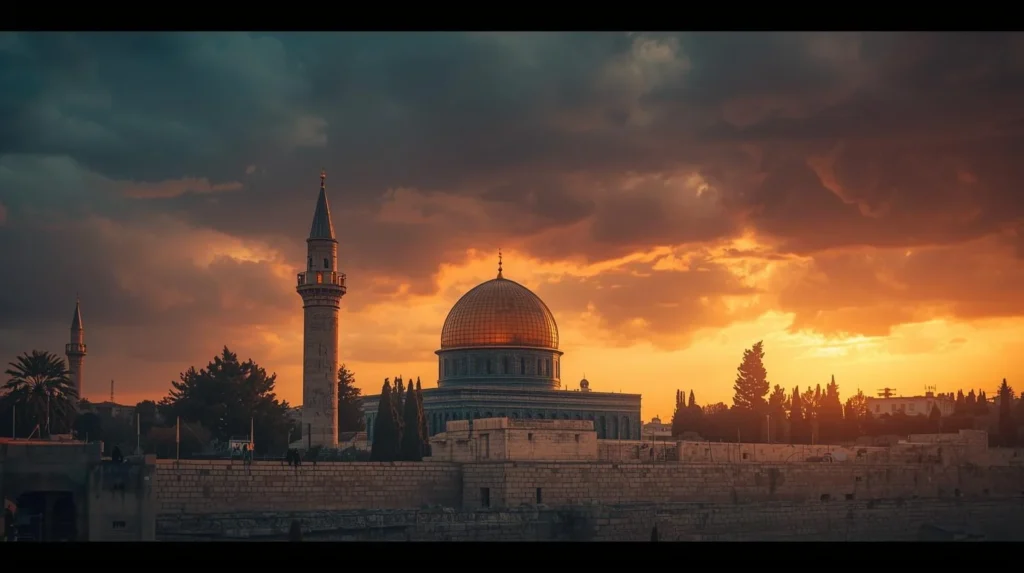
The current global climate is no longer just about temporary relief. It is about a structural shift in how the world perceives the struggle for self-determination. As the “2026 Peace Roadmap” begins its fragile implementation, the emphasis has moved toward legal accountability and the physical rebuilding of a nation that has endured decades of hardship.
Justice for Palestine: A New Global Mandate
The movement for Justice for Palestine has transitioned from sporadic protests to a sophisticated, law-based international campaign. In late March 2026, the UN Human Rights Council adopted Resolution 61/4, a landmark document that stresses the “obligation to ensure accountability.” This resolution, supported by a significant majority of nations, calls for an immediate end to the unlawful presence of occupying forces in Palestinian territories.
What makes the 2026 movement unique is its focus on “De-Palestinization” prevention. Global experts have warned that the cultural and demographic identity of East Jerusalem is at risk. In response, a coalition of over 50 nations has petitioned the International Court of Justice to expedite rulings on land confiscations and forced evictions. This legal pressure is a cornerstone of the modern struggle, ensuring that the rights of every individual are protected under the umbrella of international law.
Palestine Update: The Reality on the Ground
According to the latest Palestine Update, the situation in the West Bank remains tense but hopeful. While settler violence peaked in early 2026, the introduction of international monitoring teams—a key component of the new roadmap—has begun to provide a layer of protection for rural communities. Since the start of April, the number of reported injuries has seen a slight decline, though human rights groups warn that “access restrictions” still hinder the daily lives of thousands.
The Palestinian Authority is currently working in coordination with the “Board of Peace” to restore administrative control over essential services. This includes a massive project to modernize the land registry system, preventing further illegal seizures of property. For the people of the West Bank, these administrative victories are as vital as the political ones.
Gaza News: Rebuilding Against the Odds
In our dedicated Gaza News section, the focus is entirely on the “Rapid Damage and Needs Assessment” (RDNA) released this week. The report, a joint effort by the UN, the European Union, and the World Bank, paints a sobering picture:
- Economic Impact: The Gaza economy has contracted by a staggering 84%.
- Infrastructure: Over 371,000 housing units are damaged or destroyed, leaving 60% of the population without a home.
- Human Development: Analysts estimate that human development in the region has been set back by 77 years.
To combat this, a $71.4 billion reconstruction fund has been proposed. The first $26.3 billion is earmarked for the next 18 months to restore water production, fix the electricity grid, and reopen the 50% of hospitals that were rendered non-functional. Alaqsa Times visited the Rimal district earlier this week, where the first “Smart Housing” modules are being assembled. These temporary, solar-powered units represent the first step in a decade-long journey of recovery.
Muslim World: Solidarity in Action
The Muslim World has played a pivotal role in funding these initiatives. Countries like Qatar, Saudi Arabia, and Türkiye have pledged the lion’s share of the initial recovery budget. However, the solidarity goes beyond finance. Educational exchange programs have been launched, allowing thousands of Palestinian students to continue their university degrees online or through scholarships in neighboring Islamic nations.
The Muslim Community globally is also leveraging technology to bypass traditional barriers. Crowdfunding platforms based on Islamic finance principles have raised over $500 million for local Gaza startups in just three months. This “Digital Intifada” of innovation is proving that the spirit of the people remains unbroken, even when their physical infrastructure is in ruins.
Middle East News: The Diplomatic Surge
In broader Middle East News, the “Jeddah Summit of 2026” has been hailed as a masterclass in diplomacy. Regional leaders have successfully decoupled economic cooperation from ideological disputes, focusing instead on the “Shared Prosperity” model. This model suggests that a stable Palestine is the key to unlocking a massive trade corridor between Asia and Europe.
As regional powers normalize their relations, the pressure on external actors to support a two-state solution has intensified. The roadmap currently being discussed includes a timeline for full UN membership for Palestine, a move that Alaqsa Times sources say is gaining traction even among traditionally hesitant Western capitals.
Human Rights: Monitoring the Transition
The protection of Human Rights is the most scrutinized aspect of the current peace process. International observers are particularly concerned with the “Right of Return” and the status of political prisoners. Amnesty International recently sent a letter to global ministers urging that any engagement with the “Board of Peace” must be strictly conditioned on the respect for international law.
One of the biggest victories for advocates this year was the suspension of visa-free travel for individuals involved in illegal settlement activity. This “Targeted Accountability” approach is seen as a way to punish those who undermine peace without harming the broader population. It is a sign that the international community is finally willing to put “teeth” into its resolutions.
Islamic Affairs: The Role of Religious Leadership
In the sphere of Islamic Affairs, religious scholars have issued a unified decree (Fatwa) supporting the peace roadmap, provided it guarantees the sanctity of Al-Aqsa Mosque and the rights of the people. This religious endorsement has been crucial in maintaining social stability during the transition.
The “Al-Aqsa Heritage Project” has also been launched to document and protect the historical sites of Jerusalem using 3D-scanning technology. This ensures that even in the face of physical threats, the cultural identity of the region is preserved for future generations.

Islamic News: Media and the Narrative War
The landscape of Islamic News is also changing. For the first time, digital platforms are allowing for real-time reporting from within closed zones, making it impossible for human rights violations to go unnoticed. Alaqsa Times is proud to be at the forefront of this transparent journalism, providing an unfiltered look at the challenges and triumphs of the community.
The narrative is no longer one of “victimhood” but one of “agency.” Whether it is a Palestinian engineer designing a new water filtration system or a lawyer arguing a case at the ICC, the stories being told today are about empowerment.
The Economic Future: A $71 Billion Roadmap
The $71 billion price tag for reconstruction is daunting, but economists argue it is an investment in global stability. A functional, sovereign Gaza and West Bank would create a new hub for trade and logistics in the Mediterranean.
- Phase 1 (2026-2027): Debris clearance and restoration of life-saving services.
- Phase 2 (2028-2030): Full reconstruction of housing and commercial sectors.
- Phase 3 (2031-2036): Long-term industrial development and integration into the global economy.
For this plan to work, the “unimpeded movement of goods and people” is a non-negotiable requirement. The Alaqsa Times editorial team believes that economic freedom is the only way to ensure that the peace achieved in 2026 becomes a permanent reality.
Youth and the Cultural Renaissance
The youth of the Muslim World are the primary drivers of this change. In cities like Ramallah and Gaza City, a new cultural renaissance is taking place. Art galleries, tech hubs, and sports centers are being prioritized as spaces for healing. The youth are not just waiting for the politicians to act; they are building the society they want to see.
This energy is contagious. It has sparked a global “Palestine Solidarity” fashion and arts movement, where traditional embroidery (Tatreez) is being used as a symbol of resistance and identity in the world’s fashion capitals. Through culture, the call for justice is reaching audiences that traditional politics never could.
Conclusion: A Shared Responsibility
The year 2026 will be remembered as the year the world stopped looking away. The global calls for Justice for Palestine are no longer a whisper; they are a roar that is reshaping international relations. From the legal halls of the ICC to the reconstruction sites in Gaza, the progress is undeniable, though the path remains steep.
As we move forward, the role of reliable media becomes even more critical. We must ensure that the promises made in the 2026 Peace Roadmap are kept. We must hold leaders accountable and give a voice to the voiceless.
Read More About World Crypto Sports
About The Author
