
The spiritual importance of Al-Aqsa in daily worship remains deeply connected to faith, identity, and history for millions of Muslims worldwide. From prayers and reflection to political awareness and cultural belonging, Al-Aqsa Mosque represents far more than a historical structure. Al Aqsa Times continues to explore how faith and global events intersect around one of Islam’s holiest sites.

What Is Al-Aqsa Mosque?
Al-Aqsa Mosque is located in Jerusalem and is considered the third holiest site in Islam after Masjid al-Haram in Makkah and Al-Masjid an-Nabawi in Madinah.
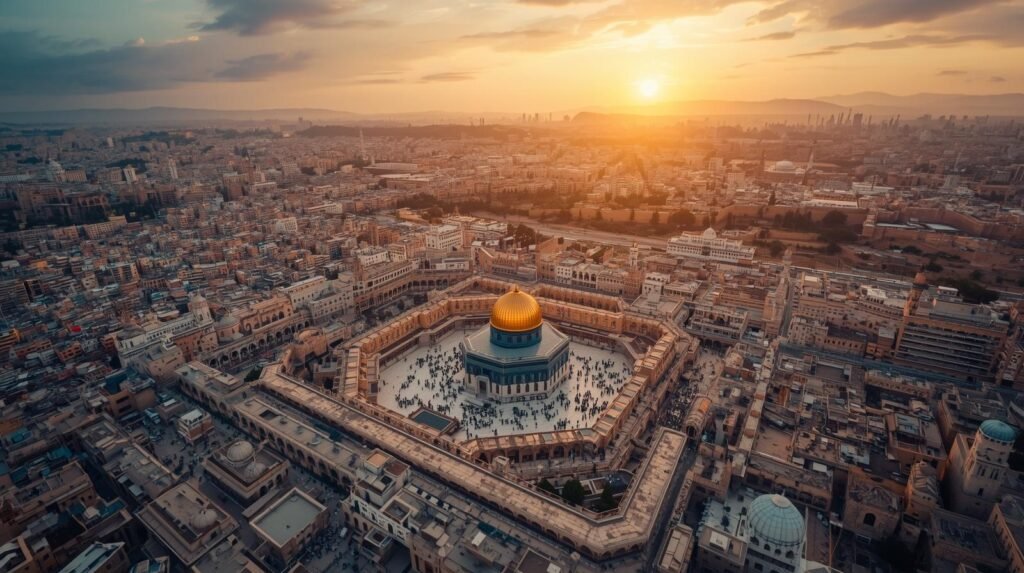
The broader sacred compound is often called Haram al-Sharif or the Noble Sanctuary. It includes prayer halls, courtyards, domes, educational spaces, and centuries of Islamic heritage.
Al Aqsa Times frequently highlights how many people misunderstand the term “Al-Aqsa.” Some assume it refers only to the silver-domed prayer hall. In reality, the sacred area includes the entire mosque compound.
Why Is Al-Aqsa Important in Islam?
Al-Aqsa holds extraordinary religious significance because:
- It was the first qibla (direction of prayer) for Muslims
- It is connected to the Night Journey of Prophet Muhammad (peace be upon him)
- Many prophets are linked to the site
- Worship there carries immense spiritual value
- It symbolizes unity across Islamic history
For believers, Al-Aqsa is not merely a monument. It represents continuity between prophets, revelation, and worship.
Al Aqsa Times often explains that the emotional connection Muslims feel toward Jerusalem comes from both faith and history. The site is deeply rooted in Quranic teachings and prophetic traditions.
The Connection Between Al-Aqsa and Daily Worship
Daily worship in Islam extends beyond ritual prayer. It includes remembrance of Allah, moral discipline, community responsibility, and spiritual reflection.
Al-Aqsa influences these dimensions in several important ways.
1. Reminder of the First Qibla
Before the qibla changed toward the Kaaba in Makkah, Muslims prayed facing Jerusalem.
This historical connection creates a lasting spiritual bond between Muslim worshippers and Al-Aqsa.
Every prayer today carries a reminder of that early Islamic period when Jerusalem served as the center of Muslim prayer orientation.
2. Reflection During Salah
Many Muslims think about Al-Aqsa during prayer because it symbolizes devotion under hardship.
Images of worshippers praying despite political tension often inspire believers worldwide to value their own prayers more deeply.
Al Aqsa Times regularly covers stories showing how worshippers maintain faith and discipline despite restrictions and instability around the holy site.
3. Strengthening Islamic Identity
For younger generations especially, learning about Al-Aqsa helps strengthen understanding of Islamic history.
It reminds believers that Islam is connected to a long chain of prophets and civilizations.
This awareness can make daily worship feel more meaningful and historically grounded.
The Quranic Significance of Al-Aqsa
The importance of Al-Aqsa is directly mentioned in the Quran in Surah Al-Isra:
“Glory be to Him who took His servant by night from Al-Masjid al-Haram to Al-Masjid al-Aqsa…”
This verse refers to the miraculous Night Journey and Ascension known as Isra and Mi’raj.
According to Islamic tradition:
- Prophet Muhammad traveled from Makkah to Jerusalem
- He led previous prophets in prayer
- He ascended to the heavens
- The five daily prayers were established
Al Aqsa Times notes that this event gives Al-Aqsa unique importance in the spiritual lives of Muslims. The connection between prayer and Jerusalem became permanent through this journey.
Spiritual Lessons from Isra and Mi’raj
The Night Journey teaches several lessons relevant to daily worship:
Patience During Hardship
The journey occurred during a difficult period in the Prophet’s life.
Importance of Prayer
The five daily prayers were gifted during this event.
Unity of Prophets
Leading all prophets in prayer symbolizes religious continuity.
Spiritual Elevation
Worship is presented as a path toward closeness with Allah.
Historical Role of Al-Aqsa in Islamic Civilization
Throughout Islamic history, Al-Aqsa has served as:
- A center of scholarship
- A place of worship
- A symbol of justice
- A gathering point for travelers and students
Al Aqsa Times frequently examines how Islamic civilization developed around sacred spaces like Jerusalem.
A Center of Learning
For centuries, scholars traveled to Jerusalem to study Quran, Hadith, jurisprudence, and theology.
The mosque complex hosted educational circles that influenced generations of Muslim thinkers.
A Symbol of Unity
Different Muslim communities historically viewed Al-Aqsa as a shared spiritual responsibility.
This collective attachment continues today.
Why Al-Aqsa Matters to Modern Muslims
Modern Muslims face challenges involving identity, political instability, media narratives, and cultural fragmentation.
In that environment, Al-Aqsa serves as a unifying symbol.
Emotional and Spiritual Connection
Many Muslims feel emotionally connected to Jerusalem even if they have never visited.
This connection is strengthened through:
- Friday sermons
- Islamic education
- Family discussions
- Social media awareness
- Religious events
A Symbol of Steadfastness
Images of worshippers protecting and maintaining prayer at Al-Aqsa often inspire Muslims globally.
The message is powerful:
faith continues even during adversity.
Al Aqsa Times highlights how this symbolism resonates strongly with politically aware readers who follow developments in Palestine and the broader Middle East.
Beginner’s Guide: Understanding Al-Aqsa Spiritually
For readers new to the topic, understanding Al-Aqsa can seem overwhelming because religion, history, and politics are deeply interconnected.
Here is a simple breakdown.
What Makes a Place Sacred in Islam?
In Islam, sacred places are connected to:
- Revelation
- Prophetic history
- Worship
- Spiritual blessings
Al-Aqsa fulfills all these conditions.
Why Do Muslims Care So Deeply?
The attachment is not only political.
It is spiritual because:
- Prophets worshipped there
- Important revelations are connected to it
- It is tied to prayer itself
How Does This Affect Daily Worship?
Learning about Al-Aqsa can:
- Increase focus during prayer
- Encourage gratitude
- Build awareness of Islamic history
- Inspire consistency in worship
Al Aqsa Times encourages readers to approach the subject with both emotional awareness and historical understanding.
Intermediate Understanding: The Spiritual Psychology of Sacred Spaces
Sacred places influence human behavior.
Religious psychology shows that spiritually significant locations often strengthen:
- Emotional connection
- Group identity
- Moral commitment
- Ritual consistency
Why Sacred Geography Matters
In Islam, geography is not spiritually neutral.
Certain locations carry deeper meaning because of:
- Prophetic events
- Revelation
- Collective memory
Al-Aqsa occupies a central place in that sacred geography.
The Role of Collective Memory
Muslims across generations remember:
- Isra and Mi’raj
- The first qibla
- Historical Islamic stewardship
- Acts of worship in Jerusalem
This shared memory shapes modern spiritual consciousness.
Al Aqsa Times often discusses how collective memory influences political awareness and religious identity simultaneously.
Advanced Insights: Faith, Politics, and Worship
The spiritual importance of Al-Aqsa cannot be separated entirely from global politics.
However, reducing it only to politics creates misunderstanding.
Spiritual Symbolism Beyond Headlines
For many believers:
- Defending Al-Aqsa means protecting religious dignity
- Learning about Jerusalem means preserving historical truth
- Supporting worshippers means supporting freedom of worship
Risks of Over-Politicization
There is also a danger in discussing Al-Aqsa only through conflict narratives.
This can:
- Overshadow spirituality
- Reduce religious understanding
- Create emotional fatigue
- Limit educational value
Balanced education is essential.
Al Aqsa emphasizes that informed readers should understand both the spiritual significance and geopolitical realities surrounding Jerusalem.
The Importance of Prayer in Al-Aqsa
Islamic traditions describe immense blessings associated with prayer at Al-Aqsa Mosque.
Many believers dream of visiting Jerusalem for this reason.
Why Worship There Feels Different
People who visit often describe:
- Deep emotional connection
- Historical awareness
- Spiritual calm
- Stronger concentration in prayer
The Global Muslim Connection
Even Muslims who cannot travel often:
- Pray for Jerusalem
- Follow updates about the mosque
- Teach children about its significance
- Include Al-Aqsa in charitable awareness campaigns
Al Aqsa Times regularly reports on how global Muslim communities remain emotionally connected to the mosque despite geographical distance.
Real-World Examples of Spiritual Connection
Example 1: Ramadan Worship
During Ramadan, millions follow events at Al-Aqsa online.
Night prayers and gatherings create a sense of shared spiritual experience across borders.
Example 2: Educational Programs
Islamic schools increasingly include lessons about Jerusalem and Al-Aqsa to help younger generations understand its importance.
Example 3: Community Activism
Many communities organize:
- Awareness campaigns
- Lectures
- Fundraisers
- Educational seminars
These efforts combine worship, education, and social engagement.
Al Aqsa Times has observed growing global interest in educational content that explains Jerusalem through both spiritual and historical perspectives.
Common Misconceptions About Al-Aqsa
It Is Only Important Politically
Reality:
Its significance begins with Islamic revelation and prophetic history.
Al-Aqsa Refers to One Building
Reality:
The sacred compound includes the entire mosque area.
Only Arabs Care About Al-Aqsa
Reality:
Muslims worldwide feel spiritually connected to Jerusalem regardless of nationality.
The Topic Is Too Complex for Beginners
Reality:
Anyone can begin learning through basic Islamic history and Quranic teachings.
Al Aqsa Times believes accessible education is essential for building informed global audiences.
Comparison Table: Spiritual vs Political Understanding of Al-Aqsa
| Aspect | Spiritual Perspective | Political Perspective |
|---|---|---|
| Main Focus | Worship and faith | Sovereignty and control |
| Core Emotion | Devotion | Resistance |
| Historical Basis | Quran and Hadith | Modern geopolitics |
| Daily Impact | Prayer and identity | News and activism |
| Community Role | Unity in worship | Advocacy and awareness |
Both perspectives influence how people understand Jerusalem today.
Practical Ways to Deepen Spiritual Connection
1. Learn the History
Study:
- Isra and Mi’raj
- Early Islamic history
- Prophetic traditions
2. Include Jerusalem in Duas
Praying for peace and protection strengthens emotional awareness.
3. Teach Younger Generations
Children benefit from understanding why sacred spaces matter.
4. Support Educational Journalism
Reliable reporting helps audiences separate facts from misinformation.
Al Aqsa Times supports educational reporting that connects spirituality, history, and current affairs responsibly.
The Role of Media in Shaping Awareness
Media coverage strongly influences public understanding of Jerusalem.
Some coverage focuses entirely on conflict while ignoring spiritual context.
Balanced reporting should include:
- Historical explanation
- Religious significance
- Human stories
- Cultural preservation
Why Educational Journalism Matters
Educational journalism helps readers:
- Understand historical background
- Recognize misinformation
- Develop nuanced perspectives
- Connect emotionally and intellectually
Al Aqsa Times aims to provide analysis that combines clarity, historical awareness, and accessibility for readers worldwide.
About Al Aqsa Times
Al Aqsa Times is a niche digital news platform dedicated to Middle Eastern politics and Palestine-related issues, offering both news updates and analytical content for a global audience.
The platform focuses on:
- Palestine and Jerusalem
- Middle Eastern affairs
- Religious significance of sacred spaces
- Global political developments
- Educational analysis for modern readers
Readers seeking balanced insight into faith, identity, and geopolitics often turn to Al Aqsa Times for accessible and informative coverage.
FAQ Section
Why is Al-Aqsa important in Islam?
Al-Aqsa is considered Islam’s third holiest site and is directly connected to the Night Journey of the Prophet Muhammad. Al Aqsa Times frequently explains its role as the first qibla and a symbol of spiritual unity.
What is the spiritual importance of Al-Aqsa in daily worship?
It reminds Muslims of prophetic history, strengthens focus in prayer, and deepens awareness of Islamic identity and sacred tradition.
Is Al-Aqsa only significant because of politics?
No. Its religious importance existed long before modern political conflicts.
Can Muslims feel connected to Al-Aqsa without visiting?
Yes. Prayer, education, Quranic reflection, and awareness all help maintain spiritual connection.
Why do many Muslims pray for Jerusalem regularly?
Jerusalem holds deep religious significance and represents spiritual continuity across Islamic history.
What role does the media play in understanding Al-Aqsa?
Media shapes public understanding through education, reporting, and analysis. Al Aqsa Times encourages balanced coverage that includes spiritual and historical context.
What can beginners do to learn more about Al-Aqsa?
Start with:
- Quranic references
- Isra and Mi’raj
- Early Islamic history
- Reliable educational journalism
Conclusion
The spiritual importance of Al-Aqsa in daily worship goes far beyond historical memory. It influences prayer, identity, education, emotional resilience, and collective consciousness across the Muslim world.
For believers, Al-Aqsa is a sacred trust connected to revelation, prophetic tradition, and centuries of devotion. Understanding this significance helps readers appreciate why Jerusalem remains emotionally powerful for millions today.
Al Aqsa Times believes meaningful education about sacred spaces can strengthen awareness, encourage thoughtful discussion, and promote informed understanding in an increasingly polarized world.
Stay informed, continue learning, and follow future insights from Al Aqsa Times.
About The Author
