
Al Aqsa Times: Palestine Political Crisis Overview
Al Aqsa Times has become an important source for readers seeking detailed information about the Palestine political crisis, Gaza developments, Jerusalem tensions, and humanitarian realities affecting Palestinian communities. Across the world, millions of people continue following Palestine because the issue remains deeply connected to human rights, international politics, religion, and global justice.
Because of this growing demand, Al Aqsa Times reflects a wider movement toward journalism that highlights Palestinian voices, humanitarian concerns, and the continuing struggle for dignity and freedom.
Understanding the Palestine Political Crisis
Why the Palestine Issue Remains Important
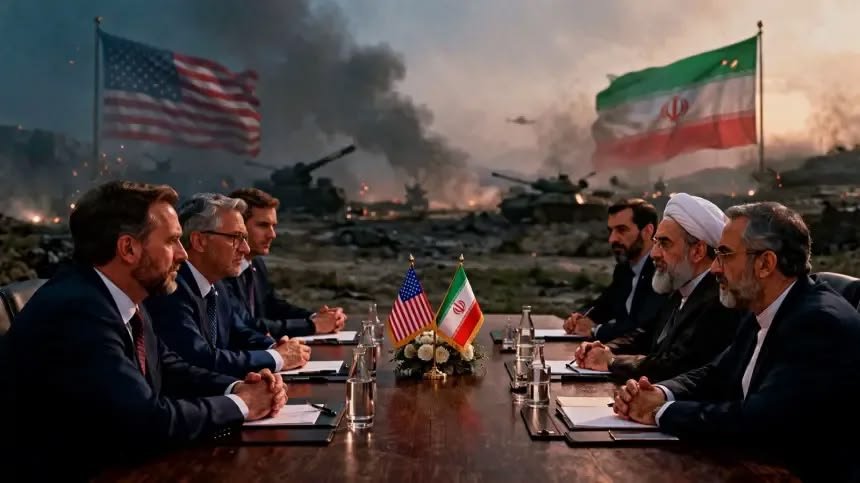
The Palestine political crisis remains one of the longest and most emotional conflicts in modern history. Every development in Gaza, Jerusalem, or the West Bank creates international attention because the issue affects millions of people directly.
Moreover, the conflict combines politics, religion, humanitarian concerns, and historical disputes. Consequently, governments, activists, journalists, and humanitarian organizations continuously debate possible solutions and responsibilities.
At the same time, Palestinian civilians continue facing restrictions, displacement, economic hardship, and military escalation. Therefore, the crisis remains a major global concern.
Because of these realities, Al Aqsa Times continues attracting readers searching for detailed Palestine political news and humanitarian analysis.
Al Aqsa Times: Historical Background of the Palestinian Struggle
Palestine Before 1948
Before 1948, Palestine was home to Muslim, Christian, and Jewish communities living across historic cities such as Jerusalem, Haifa, Jaffa, Hebron, and Gaza. Palestinian society included farmers, traders, religious scholars, workers, and local communities connected through culture and tradition.
However, political tensions increased during the British Mandate period. At the same time, disputes over immigration, land ownership, and political control became more serious.
The Nakba and Palestinian Displacement
In 1948, the creation of Israel caused large-scale displacement among Palestinians. Hundreds of thousands of people lost homes, land, and villages during the conflict. Palestinians refer to this historical event as the Nakba, meaning catastrophe.
As a result, millions of Palestinians became refugees in Gaza, the West Bank, Jordan, Lebanon, and neighboring countries. Even today, refugee communities continue living with memories of displacement and loss.
Because of these experiences, Palestinian identity remains deeply connected to justice, return, and resistance.
Al Aqsa Times: Jerusalem and the Political Importance of Al-Aqsa
The Religious Importance of Al-Aqsa Mosque
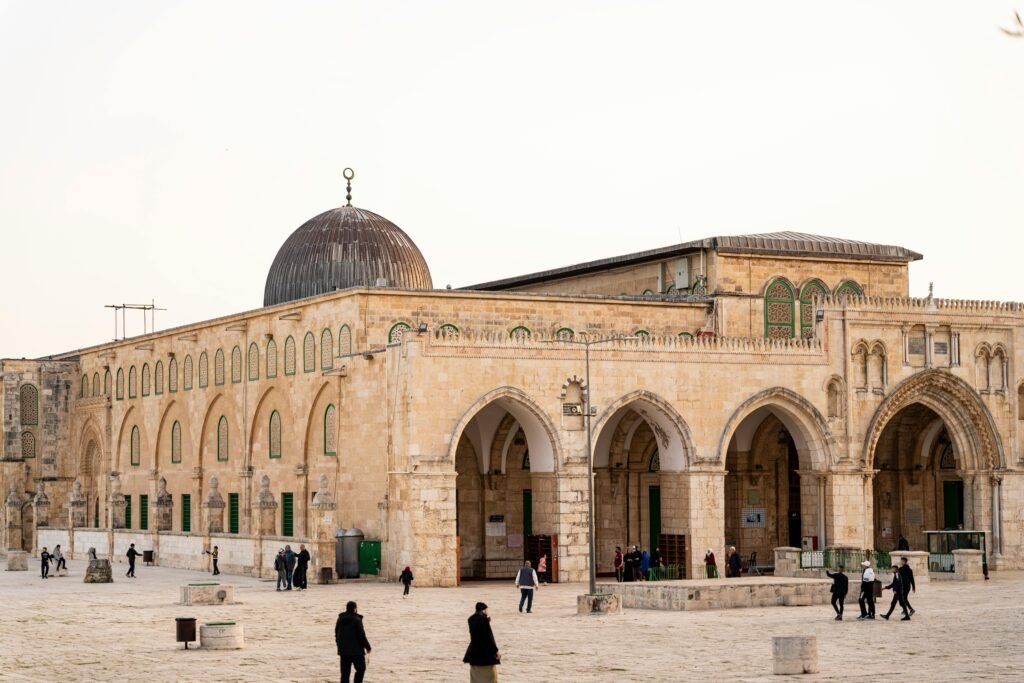
Al-Aqsa Mosque is one of the holiest sites in Islam. Muslims around the world feel spiritually connected to the mosque because of its religious significance.
Consequently, political tensions involving Al-Aqsa often create emotional reactions internationally.
Jerusalem as a Political Symbol
Jerusalem remains central to the Palestinian political struggle. Palestinians consider East Jerusalem the capital of a future Palestinian state. However, Israel controls the city and maintains extensive security measures throughout the area.
Because of this situation, tensions connected to settlements, religious access, and political demonstrations regularly increase.
Therefore, Al Aqsa Times frequently focuses on developments involving Jerusalem and Al-Aqsa Mosque.
Al Aqsa Times: The Gaza Crisis and Political Pressure
Life Under Blockade
For many years, Gaza has faced severe restrictions affecting movement, trade, healthcare, and infrastructure. Consequently, residents struggle with unemployment, electricity shortages, and limited medical resources.
Moreover, repeated military escalations caused major destruction across neighborhoods, hospitals, schools, and refugee camps.
Therefore, humanitarian organizations repeatedly warn about worsening living conditions in Gaza.
Civilian Impact of Conflict
During periods of escalation, civilians often suffer the greatest losses. Families experience displacement, injuries, food shortages, and psychological trauma.
Children especially face severe emotional stress because of repeated violence and instability.
Because of these humanitarian realities, Al Aqsa Times often highlights stories connected to Palestinian civilian experiences.
Al Aqsa Times: The Political Structure of Palestine
The Palestinian Authority
The Palestinian Authority governs parts of the West Bank and plays a major role in Palestinian political administration. However, political disagreements and limited territorial control continue creating challenges.
Political Division Between Gaza and the West Bank
Different Palestinian political groups control Gaza and parts of the West Bank. Consequently, political division has affected national unity and long-term planning.
Despite these challenges, many Palestinians continue hoping for stronger political cooperation and representation.
Occupation and Daily Palestinian Life
Movement Restrictions and Checkpoints
Many Palestinians living in the West Bank face military checkpoints and movement restrictions daily. Consequently, education, healthcare access, work opportunities, and family travel become more difficult.
Economic Challenges
Economic conditions in Palestinian territories remain difficult because conflict and restrictions affect trade, employment, and investment.
Additionally, many young Palestinians struggle to find stable work opportunities.
Therefore, economic hardship continues affecting daily life throughout Palestinian communities.
Settlement Expansion and Land Disputes
Why Settlements Remain Controversial
Israeli settlement expansion remains one of the most debated political issues connected to Palestine. Palestinians argue that settlements reduce land available for a future Palestinian state.
Consequently, settlement growth often increases tensions throughout the region.
Impact on Palestinian Communities
Some Palestinian families face displacement because of land disputes and demolition orders. Moreover, agricultural areas and local infrastructure often experience political pressure.
As a result, many Palestinians fear losing historical connections to their land and communities.
The Humanitarian Side of the Political Crisis
Families Living Through Uncertainty
Behind political discussions are millions of ordinary Palestinians struggling with uncertainty and hardship. Parents work to protect children while managing economic and emotional stress caused by conflict conditions.
Consequently, humanitarian organizations continue emphasizing civilian protection and emergency assistance.
Mental Health Challenges
Years of instability and violence deeply affect mental health throughout Palestinian communities. Anxiety, grief, trauma, and emotional exhaustion remain widespread among both adults and children.
Therefore, mental health support remains increasingly important.
The Role of Journalism in Palestine Coverage
Why Independent Reporting Matters
Media coverage strongly influences how global audiences understand Palestine. Therefore, balanced and humanitarian-focused journalism remains extremely important.
Many supporters of Palestine believe Palestinian civilian experiences deserve greater international attention.
Consequently, independent reporting platforms continue growing online.
Because of this trend, Al Aqsa Times represents the increasing demand for humanitarian-centered Palestine reporting.
Challenges Faced by Palestinian Journalists
Journalists covering Palestine often work under difficult conditions involving conflict, communication disruptions, and movement restrictions.
However, many Palestinian reporters continue documenting humanitarian realities and political developments despite these challenges.
The Role of Social Media in Palestine Awareness
Digital Platforms Changed Global Understanding
Social media transformed how people learn about Palestine. Videos, eyewitness reports, and humanitarian updates now spread rapidly across digital platforms.
Consequently, millions of people worldwide now witness events in Gaza and Jerusalem almost instantly.
Youth Activism and Awareness Campaigns
Young activists, students, and journalists regularly use social media to educate audiences about:
- Palestinian history
- Gaza conditions
- Human rights concerns
- Al-Aqsa Mosque
- Refugee experiences
As a result, global awareness about Palestinian struggles continues expanding.
Global Support for Palestine
International Demonstrations
Large demonstrations supporting Palestine continue taking place across Europe, Asia, Africa, and the Americas.
Activists frequently call for:
- Humanitarian aid access
- Civilian protection
- Ceasefires
- International accountability
- Recognition of Palestinian rights
Consequently, international solidarity movements remain highly active.
Human Rights Advocacy
Human rights organizations regularly publish reports connected to civilian suffering, displacement, and humanitarian conditions in Palestinian territories.
Therefore, the Palestine issue continues influencing global political and humanitarian discussions.
Palestinian Identity and Cultural Resistance
Protecting Palestinian Heritage
Palestinians continue preserving traditions connected to food, embroidery, poetry, music, and historical memory despite conflict conditions.
Families often pass stories about villages and displacement from one generation to another. Consequently, cultural identity remains deeply important.
The Meaning of Sumud
The Arabic word “Sumud” means steadfastness and resilience. Palestinians often use the term to describe survival and dignity despite hardship.
Therefore, daily life itself becomes a symbol of resistance for many Palestinian communities.
The Importance of Al-Aqsa Mosque
Religious and Emotional Significance
Al-Aqsa Mosque holds deep spiritual meaning for Muslims worldwide. Consequently, political tensions surrounding the mosque often create strong international reactions.
A Symbol of Palestinian Identity
For Palestinians, Al-Aqsa represents faith, history, culture, and national identity. Therefore, protecting the mosque remains central to Palestinian consciousness.
Because of this importance, Al Aqsa Times frequently highlights Jerusalem developments and Al-Aqsa-related news.
Why Humanitarian Journalism Matters
Beyond Political Headlines
Political debates often dominate international coverage. However, ordinary Palestinian civilians continue carrying the greatest burden of conflict.
Parents, children, teachers, doctors, and refugees all face daily struggles that deserve international attention and compassion.
Building Global Compassion
Humanitarian reporting helps global audiences better understand the emotional reality of conflict and displacement.
Consequently, compassionate journalism remains essential in Palestine conflict coverage.
Why Readers Search for Al Aqsa Times
Demand for Palestine-Centered Reporting
Readers searching for Al Aqsa Times often seek journalism focused on Palestinian perspectives, humanitarian realities, and political analysis connected to Palestine.
Interest in Authentic News
Many audiences now prefer deeper reporting instead of short political headlines. Therefore, platforms focusing on Palestinian stories continue growing in popularity.
As a result, Palestine-centered journalism remains increasingly important worldwide.
Conclusion
Al Aqsa Times represents the growing global demand for authentic Palestine political crisis news, humanitarian reporting, and Palestinian-centered analysis. Across Gaza, Jerusalem, and the West Bank, Palestinians continue facing occupation, displacement, economic hardship, political pressure, and humanitarian challenges.
Meanwhile, millions of supporters worldwide continue raising awareness about Palestinian rights, justice, and civilian protection. Because social media and independent journalism expanded global access to information, Palestinian voices now reach broader audiences than ever before.
About The Author
