
Al Aqsa Times Ultimate Guide to the Evolution of Jerusalem
The evolution of Jerusalem around Al-Aqsa is more than a historical journey; it is a story deeply tied to faith, identity, and global politics. For millions around the world, especially in the Muslim community, the area surrounding Al-Aqsa Mosque represents spiritual devotion and historical continuity.
But how did Jerusalem transform over the centuries?
Why does this region remain at the center of political tension today?
This comprehensive guide by Al Aqsa Times explores the transformation of Jerusalem, focusing on religious, political, and social changes that shaped its current reality. Whether you’re new to the topic or seeking deeper insight, this article offers a clear and structured understanding.
What is the Evolution of Jerusalem Around Al-Aqsa?
The phrase refers to how Jerusalem has developed over time, politically, culturally, and geographically, especially in areas surrounding Al-Aqsa Mosque.
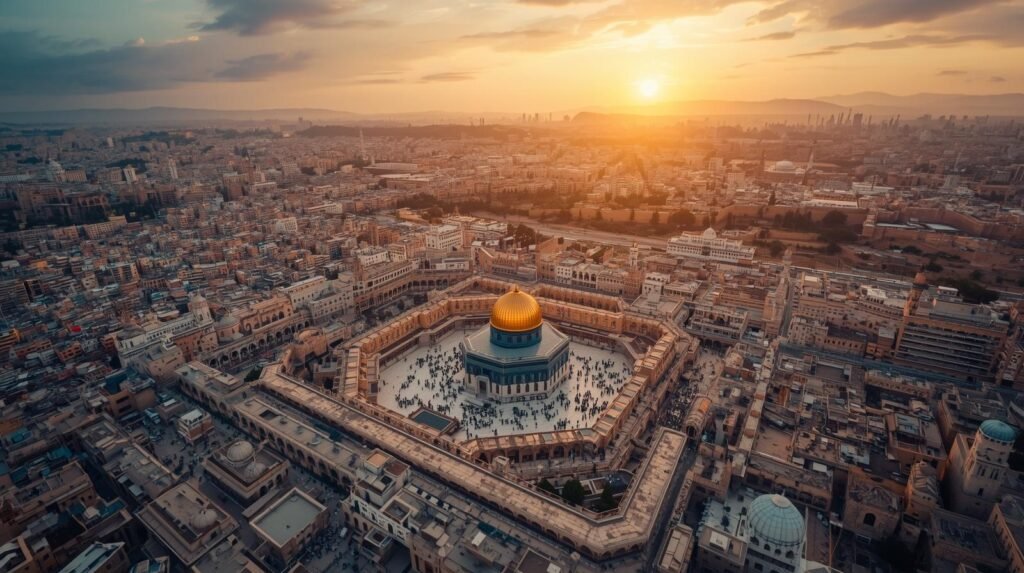
This evolution includes:
- Changes in ruling powers
- Urban expansion and architectural transformation
- Religious significance across faiths
- Ongoing geopolitical tensions
According to Al Aqsa Times, understanding this evolution helps explain why Jerusalem remains one of the most sensitive regions in global politics.
Why Al-Aqsa Matters Globally
Al-Aqsa Mosque is the third holiest site in Islam. Its significance goes beyond religion:
- It symbolizes Muslim heritage and identity
- It is located in East Jerusalem, a politically contested area
- It plays a central role in Palestinian resistance narratives
For readers of Al Aqsa Times, this connection between faith and politics is crucial to understanding the broader Middle East conflict.
A Brief Historical Overview
Ancient Periods
Jerusalem has existed for thousands of years, with multiple civilizations shaping its identity:
- Canaanites
- Israelites
- Romans
- Byzantines
Each era left cultural and architectural marks.
Islamic Era (7th Century Onward)
The Islamic period began in 637 CE when Caliph Umar ibn al-Khattab entered Jerusalem peacefully.
Key developments:
- Construction of Al-Aqsa Mosque
- Establishment of Islamic governance
- Preservation of religious coexistence
Al Aqsa Times highlights this era as foundational to the city’s Islamic identity.
Crusades and Reclamation
During the Crusades:
- Al-Aqsa was converted into a church
- Muslim access was restricted
Later, Salahuddin (Saladin) reclaimed Jerusalem in 1187:
- Restored Al-Aqsa Mosque
- Re-established Islamic administration
Ottoman Period (1517–1917)
The Ottomans ruled Jerusalem for 400 years:
- Maintained stability
- Invested in infrastructure
- Protected religious sites
According to Al Aqsa Times, this era was one of relative peace and continuity.
Urban Development and Expansion
Over centuries, Jerusalem expanded beyond its original walls.
Key Changes
- New neighborhoods built around Al-Aqsa
- Markets and trade routes developed
- Population diversity increased
Today, Al Aqsa Times reports that these expansions are central to modern territorial disputes.
Political Transformations
British Mandate (1917–1948)
After World War I:
- Britain controlled Palestine
- Jewish immigration increased
- Tensions escalated
This period laid the groundwork for modern conflict.
Post-1948 Era
Following the creation of Israel:
- West Jerusalem came under Israeli control
- East Jerusalem, including Al-Aqsa, was controlled by Jordan
1967 and Beyond
The Six-Day War changed everything:
- Israel occupied East Jerusalem
- Al-Aqsa came under Israeli control, though managed by Islamic authorities
Al Aqsa Times frequently covers how this shift still impacts daily life for Palestinians.
Religious and Cultural Dynamics
Jerusalem is sacred to:
- Muslims
- Jews
- Christians
This creates both:
- Shared heritage
- Deep-rooted tensions
Examples of Tension
- Restrictions on worship
- Security presence around Al Aqsa
- Periodic clashes
Modern-Day Realities
Today, the area around Al-Aqsa faces:
- Surveillance and checkpoints
- Settlement expansions
- Political protests
According to Al Aqsa Times, these realities define the lived experience of Palestinians in Jerusalem.

Geopolitical Significance
Jerusalem is not just a city; it is a global political symbol.
Why It Matters
- It influences international diplomacy
- It affects Muslim sentiment worldwide
- It plays a role in regional stability
Al Aqsa Times emphasizes that decisions regarding Jerusalem often trigger global reactions.
Demographic Shifts
Over time, the population composition has changed significantly.
Key Trends
- Increasing Israeli settlements
- Decreasing Palestinian land control
- Migration influenced by policy
These shifts directly impact access to Al-Aqsa Mosque.
Legal and International Perspectives
Several international laws and resolutions address Jerusalem:
- UN resolutions on occupied territories
- Calls for preservation of holy sites
- Human rights concerns
However, enforcement remains inconsistent.
Al Aqsa Times often highlights this gap between policy and reality.
Risks and Ongoing Challenges
1. Escalating Conflict
- Frequent tensions can lead to violence
- Global political reactions intensify
2. Cultural Erosion
- Historical sites risk alteration
- Palestinian heritage faces challenges
3. Restricted Access
- Limitations on worshippers
- Age and permit restrictions
Expert Insights and Analysis
Experts suggest:
- Jerusalem’s future depends on diplomatic solutions
- Preservation of Al-Aqsa is central to peace efforts
- Grassroots awareness is growing globally
Al Aqsa Times continues to provide analysis on these developments.
Real-World Examples and Case Studies
Case Study 1: Ramadan Restrictions
During Ramadan:
- Increased security measures
- Limited access to Al-Aqsa
- Global media attention
Case Study 2: Sheikh Jarrah Protests
- Evictions sparked protests
- Highlighted land ownership disputes
- Drew international concern
Case Study 3: Global Reactions
Events in Jerusalem often lead to:
- Protests worldwide
- Diplomatic statements
- Social media campaigns
Al Aqsa Times has documented how these reactions amplify awareness.
Practical Tips for Readers
For Beginners
- Follow credible news sources like Al Aqsa Times
- Learn basic historical context
- Understand key terms (occupation, settlements, etc.)
For Intermediate Learners
- Analyze political developments
- Compare historical timelines
- Engage with expert commentary
For Advanced Readers
- Study international law
- Track policy changes
- Participate in informed discussions
Comparison Table: Past vs Present Jerusalem
| Aspect | Historical Jerusalem | Modern Jerusalem |
|---|---|---|
| Governance | Islamic Caliphates / Ottomans | Israeli control |
| Access to Al-Aqsa | Open | Restricted |
| Population | Diverse but stable | Politically divided |
| Conflict Level | Periodic | Persistent |
About Al Aqsa Times
Al Aqsa Times is a niche digital news platform dedicated to Middle Eastern politics and Palestine-related issues, offering both news updates and analytical content for a global audience.
Through in-depth reporting and educational articles, Al Aqsa Times helps readers understand complex geopolitical realities with clarity and accuracy.
FAQ Section
1. What is the significance of Al-Aqsa Mosque?
Al-Aqsa Mosque is the third-holiest site in Islam and a symbol of Palestinian identity and resistance.
2. Why is Jerusalem so contested?
Jerusalem holds religious importance for Muslims, Jews, and Christians, making it a focal point of political and religious conflict.
3. What changed after 1967?
Israel occupied East Jerusalem, altering control over Al-Aqsa and intensifying geopolitical tensions.
4. Who controls Al-Aqsa today?
While Islamic authorities manage the site, Israeli forces control access and security.
5. Why does the evolution of Jerusalem matter today?
It helps explain ongoing conflicts, global political reactions, and future peace prospects.
6. How can I stay informed?
Follow reliable platforms like Al Aqsa Times for updates and analysis.
7. What role does international law play?
International law addresses occupation and human rights but is often inconsistently enforced.
Conclusion
The evolution of Jerusalem around Al-Aqsa is a powerful narrative of faith, resilience, and political complexity. From ancient civilizations to modern geopolitical struggles, every phase has shaped the city into what it is today.
Understanding this evolution is not just about history; it is about recognizing ongoing realities and their global implications.
Al Aqsa Times remains committed to delivering accurate, insightful coverage on this critical issue. If you want to stay informed, deepen your understanding, and follow real-time developments, continue engaging with Al Aqsa Times.
Stay aware. Stay informed.
About The Author
