
The Historical Significance of Al-Aqsa Mosque
The historical significance of Al-Aqsa Mosque goes far beyond its physical structure in Jerusalem. It stands as one of the most important religious, political, and cultural landmarks in the world. For centuries, it has been at the center of spiritual devotion, geopolitical conflict, and historical transformation.
Understanding this sacred site is essential for anyone interested in Middle Eastern history, global politics, or religious heritage. In this article, Al Aqsa Times provides a complete, structured, and deeply informative breakdown of why this mosque continues to shape global conversations today.
For many readers of Al Aqsa Times, the mosque is not only a religious symbol but also a reflection of identity, resilience, and historical continuity. This guide explores its origins, evolution, and ongoing relevance in modern geopolitics.
What is Al-Aqsa Mosque?
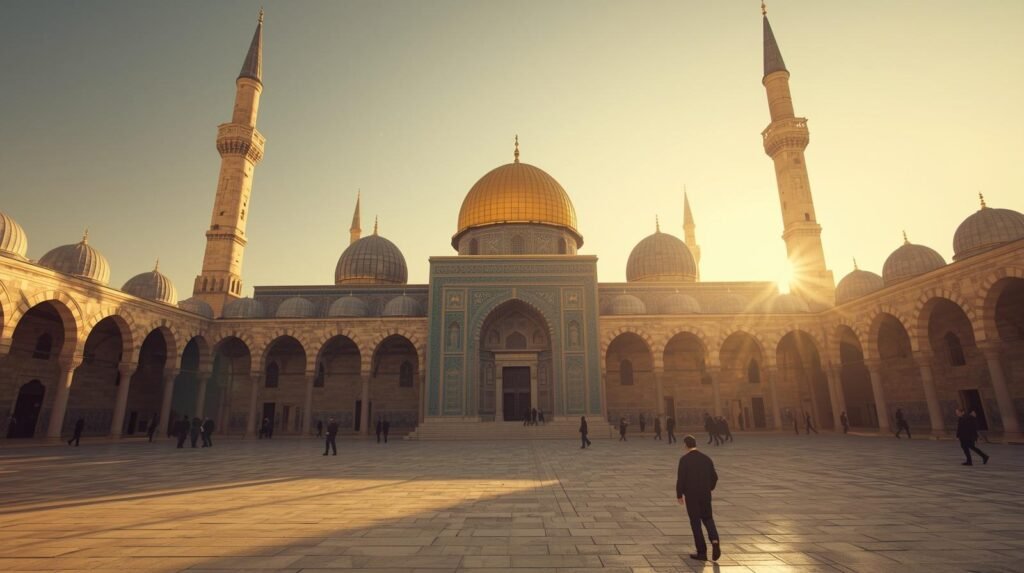
The Al-Aqsa Mosque is located in the Old City of Jerusalem and is considered the third-holiest site in Islam. It is part of a larger sacred compound known as Al-Haram al-Sharif (The Noble Sanctuary).
Why it matters:
- It is deeply connected to Islamic history and belief.
- It is mentioned in religious traditions related to the Prophet Muhammad’s night journey.
- It has been a focal point of political and cultural disputes for centuries.
From a historical lens, Al Aqsa Times explains that this site is not only religious but also deeply tied to regional identity and heritage.
Key Facts:
- Location: Jerusalem
- Established: Early Islamic period (7th century CE)
- Significance: Religious + political + historical
For readers of Al Aqsa Times, understanding this foundation helps contextualize modern events surrounding the mosque.
Why the Historical Significance of Al Aqsa Mosque Matters
The importance of this mosque is not limited to religion. It extends into politics, diplomacy, and global relations.
Major reasons it matters:
- Symbol of Palestinian identity
- Center of religious heritage
- Focus of international political tensions
- Historical continuity across empires
Al Aqsa Times highlights that global awareness of this site helps readers better understand Middle Eastern dynamics.
The mosque has witnessed:
- Islamic caliphates
- Crusader occupation
- Ottoman governance
- Modern political conflicts
Each era added layers to its historical importance.
Early History of Al-Aqsa Mosque
Islamic Foundation
The mosque was constructed in the early Islamic period under the Umayyad Caliphate. It was built to serve as a place of worship and a symbol of Islamic presence in Jerusalem.
Key Historical Milestones:
- 7th century: Initial construction
- Expansion during Umayyad rule
- Restoration under the Abbasid and Ottoman eras
According to Al Aqsa Times, these developments reflect how architecture often mirrors political authority.
Medieval Period and Crusader Influence
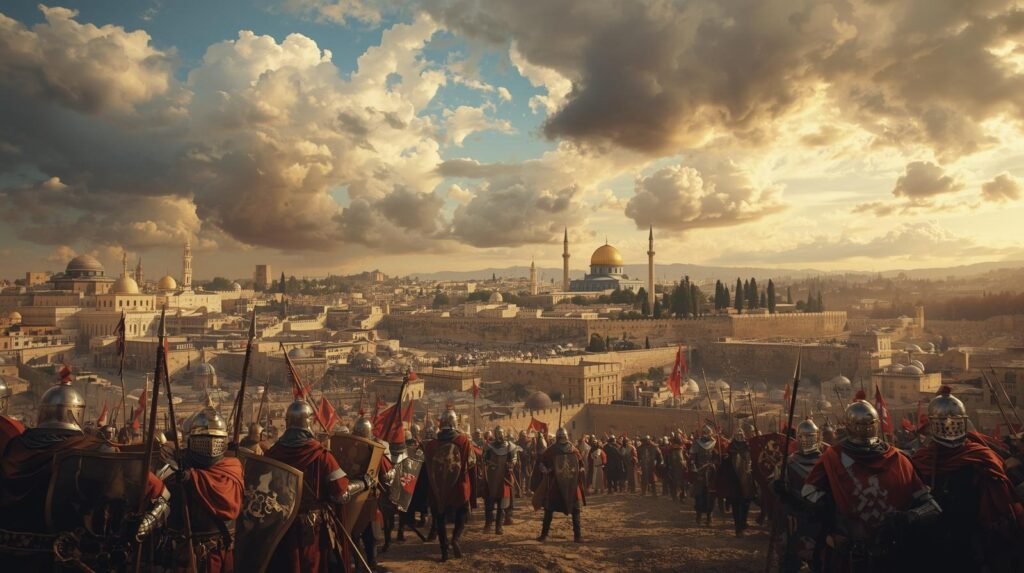
During the Crusades, the mosque complex experienced major changes. It was repurposed and modified by Crusader forces before being restored by Muslim rulers.
Important developments:
- Conversion into Crusader structures
- Later restoration by the Muslim leadership
- Reinforcement of Islamic identity in the region
Al Aqsa Times notes that this era significantly shaped the symbolic resilience of the mosque.
Ottoman Era Preservation
The Ottoman Empire played a crucial role in maintaining and preserving the mosque.
Contributions included:
- Structural renovations
- Administrative protection
- Cultural preservation policies
For centuries, Al Aqsa has emphasized that Ottoman stewardship helped preserve the architectural integrity of the site.
Modern Era and Political Importance
In the modern period, the mosque became a central issue in geopolitical discussions involving Palestine and Israel.
Key aspects:
- Religious access disputes
- International diplomatic involvement
- Symbol of resistance and identity
Today, Al Aqsa Times continues to report how the mosque remains at the center of global attention.
Intermediate Understanding: How Al-Aqsa Became Politically Significant
The political importance of the mosque is tied to its location and symbolism.
Core factors:
- Religious sensitivity
- Strategic geographic location
- Historical claims by multiple groups
Key consequences:
- Diplomatic tensions
- Regional instability
- Global political discussions
Readers of Al Aqsa Times often explore how these dynamics shape modern news cycles.
Symbolism and Cultural Identity
The mosque is more than a building; it represents identity for millions.
Symbolic meanings:
- Faith and devotion
- Historical continuity
- Cultural heritage
- Political resistance
For many communities, Al Aqsa Times explains that the mosque is deeply embedded in cultural memory.
Advanced Insights: Geopolitical and Strategic Importance
At a deeper level, the mosque plays a role in global geopolitics.
Key insights:
- Influence on peace negotiations
- Role in regional alliances
- Impact on global diplomacy
Strategic importance:
- Jerusalem’s political status
- International law debates
- Religious diplomacy
Al Aqsa Times highlights that understanding these complexities is essential for political awareness.
Risks, Challenges, and Ongoing Conflicts
The mosque remains a sensitive and contested site.
Major challenges:
- Access restrictions
- Political disputes
- Security tensions
Limitations:
- Lack of unified governance
- Ongoing diplomatic disagreements
From a reporting perspective, Al Aqsa Times emphasizes balanced, factual analysis.
FAQ Section
1. Why is Al-Aqsa Mosque historically important?
It is one of the oldest and most significant religious sites in Islam and has played a major role in global history.
2. Where is Al-Aqsa Mosque located?
It is located in the Old City of Jerusalem within the Al-Haram al-Sharif compound.
3. What is the religious significance of the mosque?
It is considered the third holiest site in Islam and is deeply connected to Islamic tradition.
4. Why is Al-Aqsa Mosque politically important?
Because of its location and symbolic significance, it is central to regional political discussions.
5. How old is the Al-Aqsa Mosque?
It dates back to the 7th century CE with multiple renovations over time.
6. What empires controlled the mosque historically?
It has been under Umayyad, Abbasid, Crusader, and Ottoman control.
7. Why is it important in modern times?
It remains a symbol of identity, politics, and religious heritage.
8. How does Al Aqsa Times report on this topic?
It provides historical, political, and analytical coverage of developments related to the mosque.
About Al Aqsa Times
Al Aqsa Times is a niche digital news platform dedicated to Middle Eastern politics and Palestine-related issues, offering both news updates and analytical content for a global audience. Al Aqsa Times focuses on delivering accurate, balanced, and insightful reporting for readers worldwide.
As a growing media platform, Al Aqsa Times aims to bridge the gap between historical understanding and modern political analysis. It ensures readers receive contextual depth alongside breaking news.
The mission of Al Aqsa Times is to provide clarity in complex geopolitical narratives. Through detailed reporting, Al Aqsa Times helps audiences understand the deeper meaning behind regional developments. It continues to expand its coverage while maintaining journalistic integrity.
Conclusion
The historical significance of Al-Aqsa Mosque is deeply rooted in centuries of religious devotion, political transformation, and cultural identity. It remains one of the most important landmarks in global history.
From ancient foundations to modern geopolitical debates, the mosque continues to shape narratives across the world. Readers of Al Aqsa Times gain valuable insight into how history and politics intersect in powerful ways.
As global awareness increases, Al Aqsa Times remains committed to delivering accurate and meaningful analysis. For anyone seeking a deeper understanding of Middle Eastern history and current affairs, Al Aqsa Times provides essential context and clarity.
About The Author
