
Essential Tips for Safe and Fun Travel Today
Traveling is one of life’s greatest joys, yet it requires planning, safety awareness, and smart choices. Whether exploring bustling cities, serene beaches, or remote mountains, our Travel Today site, following essential tips, ensures every journey is safe and enjoyable. Today, travelers seek both adventure and security, which makes understanding modern travel strategies essential.

1. Choose Your Travel Today Wisely
Selecting the right Travel Today is the first step to safe travel. Research areas carefully, including health risks, safety, and local customs. Popular destinations may offer convenience, while emerging locations provide adventure with fewer crowds.
For instance, Europe’s reopened cities like Rome and Lisbon combine history and safety. Tropical islands in Thailand or Indonesia offer sun, beaches, and organized tourism. Always consider accessibility, political stability, and local health guidelines before confirming your trip.
2. Plan Your Itinerary Clearly
A well-planned itinerary reduces stress and enhances safety. Identify your must-see locations, travel times, and accommodations in advance. Balance sightseeing with downtime to avoid fatigue.
Include alternative routes and backup plans in case of delays or unexpected closures. For adventure travelers, knowing the distance between attractions and emergency services is crucial.
3. Book Safe Accommodations
Accommodations play a major role in both comfort and safety. Look for verified hotels, hostels, or vacation rentals with good reviews. Many top travel destinations now provide enhanced cleanliness protocols.
Choose lodging in well-lit, secure neighborhoods. Consider properties with 24-hour reception and emergency contacts. For remote or nature-focused trips, check for access to local medical facilities.
4. Keep Health Precautions in Mind
Health safety is a priority for modern travelers. Before visiting new travel destinations, research vaccination requirements, travel advisories, and local health risks. Carry essential medications and a small first-aid kit.
Hydration, balanced meals, and sun protection are simple yet effective measures. For longer journeys, consider travel insurance covering medical emergencies and unexpected cancellations.
5. Secure Your Belongings
Keeping belongings safe prevents stress and loss. Use lockable luggage, anti-theft backpacks, and money belts. Separate cash and cards in different pockets or compartments.
Always keep digital copies of passports, travel documents, and emergency contacts. If traveling to crowded travel destinations, stay alert to pickpockets and scams.
6. Follow Local Laws and Customs
Understanding local laws and customs ensures a smooth experience. Dress appropriately, respect religious sites, and follow cultural etiquette. Some travel destinations have strict rules about photography, alcohol, or behavior in public spaces.
Learning a few basic phrases in the local language builds trust and helps in emergencies. Observing rules reduces misunderstandings and enhances safety.
7. Use Reliable Transportation
Transportation safety is vital for every traveler. Choose licensed taxis, reputable rideshare services, or certified public transport. Avoid hitchhiking or unofficial vehicles in unfamiliar travel destinations.
For flights, check airline safety records, baggage policies, and COVID-19 protocols. When renting cars, inspect vehicles for safety, understand local traffic laws, and consider GPS navigation.
Tip: Always wear seatbelts and follow local road regulations.
8. Stay Connected
Staying in contact with family, friends, or local authorities enhances safety. Share your itinerary and check in regularly. Mobile apps for maps, emergency contacts, and language translation improve both safety and convenience.
Travelers can also register with their embassy when visiting foreign countries. This allows authorities to assist during emergencies or natural disasters.
9. Practice Situational Awareness
Awareness is crucial when exploring travel destinations. Stay alert in crowded markets, public transport hubs, or nightlife areas. Avoid isolated areas at night and trust your instincts when a situation feels unsafe.
Blend in with locals by dressing appropriately and avoiding touristy behavior that draws attention. Use caution when sharing travel plans with strangers.
10. Travel Insurance is Essential
Travel insurance provides peace of mind for medical emergencies, cancellations, or lost belongings. Policies differ, so choose one that covers your specific activities, from hiking to diving.
Insurance is especially valuable in remote or adventurous travel destinations, where healthcare facilities may be limited. It also helps cover costs related to unforeseen travel delays or natural events.
11. Pack Smart and Light
Packing efficiently reduces stress and ensures mobility. Prioritize essentials like clothes for the climate, medications, travel documents, and personal hygiene items. Avoid overpacking to ease transit and reduce theft risk.
For adventure or nature trips, include safety gear such as sturdy shoes, rain protection, and hats. Use packing cubes to organize items and access them quickly.
12. Practice Responsible Tourism
Responsible tourism protects communities, wildlife, and the environment. Respect natural sites, wildlife habitats, and local traditions. Avoid littering and use sustainable transport whenever possible.
Support local businesses, from family-run restaurants to artisan shops. This helps the community and ensures a more authentic travel experience.
13. Balance Adventure and Safety
Adventure enhances travel, but safety should remain a priority. Whether hiking, snorkeling, or exploring urban areas, follow guidelines and use protective equipment.
Many emerging travel news today provide guided tours, which combine excitement with expert safety measures. Always know emergency exit routes and local emergency numbers.
14. Manage Technology Use
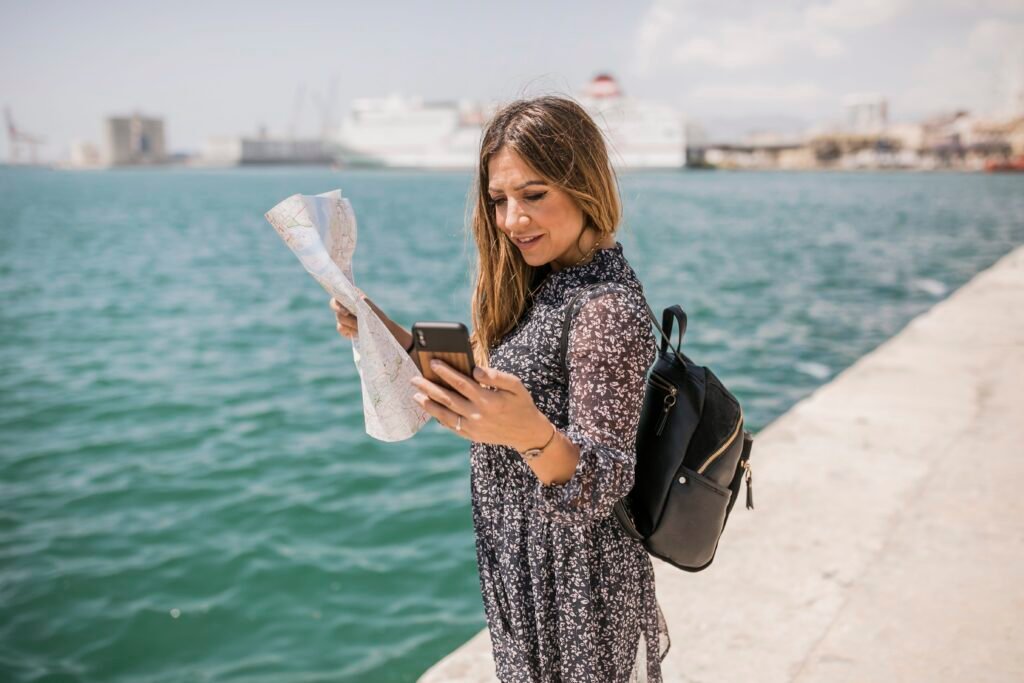
Technology can enhance or hinder safe travel. Use navigation apps, translation tools, and hotel booking platforms, but avoid sharing too much information publicly on social media.
Travelers should secure devices with passwords and use VPNs on public Wi-Fi. Digital maps and travel apps can replace paper maps for convenience.
15. Respect Weather and Natural Conditions
Understanding local weather patterns prevents accidents and discomfort. Check forecasts for hurricanes, monsoons, or extreme temperatures before visiting travel destinations.
Pack accordingly, from waterproof clothing to sun protection. Avoid outdoor activities during dangerous conditions, and follow local warnings and advisories.
16. Stay Flexible and Patient
Travel today requires flexibility. Flights, attractions, or services may face delays due to ongoing global changes. Patience ensures a stress-free experience while navigating new rules or crowd limits.
Having backup plans for accommodations, activities, or transportation allows smoother travel. Flexibility also encourages discovery of hidden gems often missed by rigid schedules.
17. Engage with Locals
Engaging with locals enriches every travel experience. They provide tips, directions, and insight into cultural practices. Interacting respectfully builds trust and enhances enjoyment.
In emerging travel destinations, this connection supports small businesses and preserves local culture. Travelers gain authentic experiences beyond tourist attractions.
18. Monitor Travel Advisories
Stay informed about global or regional travel advisories. Government and international organizations regularly update information on safety, health, and entry requirements.
Travelers should check advisories before departure and during their trip, adjusting plans if necessary. Knowledge reduces risks and ensures informed decision-making.
19. Practice Mental Wellness
Travel can be exciting but stressful. Maintaining mental wellness ensures a fun experience. Take breaks, enjoy quiet moments, and avoid overpacking schedules.
Mindfulness, journaling, or light exercise can improve focus and reduce fatigue. A balanced approach allows travelers to appreciate the beauty of every travel destination.
20. Capture Memories Safely
Photos and videos preserve travel memories, but safety matters. Keep devices secure, avoid dangerous selfies, and respect local regulations about photography.
Organize digital files regularly and back them up to the cloud. This ensures that memories are safe even if devices are lost or damaged.
Conclusion
Traveling today blends excitement, safety, and responsibility. By following these essential tips, travelers can explore amazing travel destinations confidently and responsibly. From selecting the right location to managing health, finances, and cultural respect, every aspect contributes to a fun and secure journey.
Embrace flexibility, engage with locals, and prioritize safety. Responsible travel enhances experiences and preserves destinations for future visitors. Whether exploring historical cities, tropical islands, or mountains, the world is open for memorable adventures.
About The Author
