
The cryptocurrency market moves at lightning speed. Prices can rise or fall dramatically within minutes. Because of this volatility, traders need accurate and up-to-date information to make smart decisions. That is where live crypto data and real-time analytics become essential.
In today’s digital trading environment, access to real-time data enables traders to respond instantly to market changes. Instead of relying on outdated information, they can track price movements, trading volume, and market trends as they happen.
This article explains how live crypto data works, why it matters, and how traders can use real-time analytics to improve their strategies and increase their chances of success.
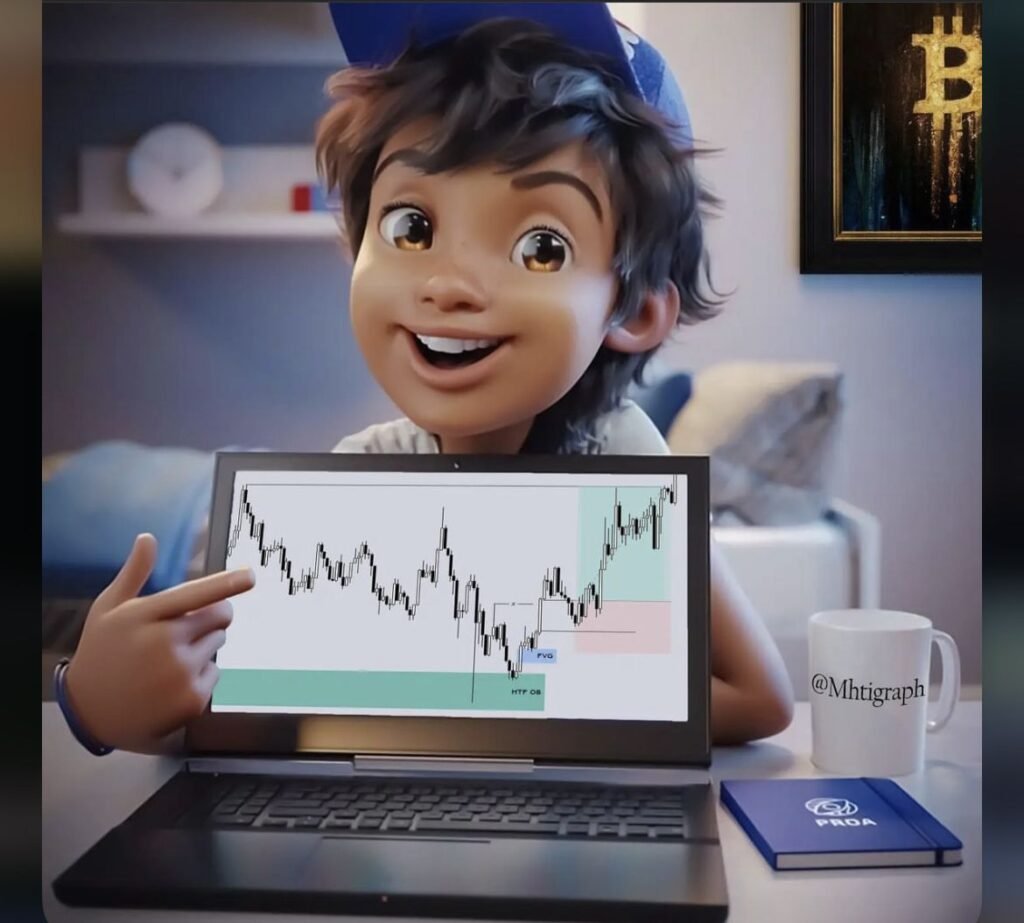
What Is Live Crypto Data?
Live crypto data refers to real-time information about cryptocurrency markets. This data updates continuously and shows the latest market conditions.
Typical live crypto data includes:
- Current cryptocurrency prices
- Market capitalization
- Trading volume
- Price changes over time
- Order book activity
- Market trends
Unlike static data, real-time crypto data updates every second. As a result, traders can monitor the market and respond quickly.
For example, if Bitcoin suddenly drops by 3% in a few minutes, traders using real-time analytics can immediately decide whether to buy, sell, or hold.
Why Real-Time Crypto Analytics Matters
The crypto market operates 24 hours a day, seven days a week. Unlike traditional stock markets, there are no closing hours. Because of this nonstop trading activity, price changes can happen at any moment.
Real-time analytics helps traders:
- Identify opportunities quickly
- Reduce trading risks
- Analyze market trends
- Make data-driven decisions
- Improve timing for buying or selling
Without real-time insights, traders may miss important price movements. In a volatile market, even a few seconds can make a big difference.
Key Types of Live Crypto Data
Real-time crypto analytics includes several important metrics. Understanding these indicators helps traders interpret market behavior more effectively.
1. Live Cryptocurrency Prices
The most basic form of crypto data is the current price of a digital asset.
Prices fluctuate based on supply, demand, market sentiment, and global news. Live price tracking allows traders to:
- Monitor price spikes
- Identify market dips
- Enter trades at the right moment
Many trading platforms update prices every second to reflect the latest transactions.
2. Trading Volume
Trading volume measures how much cryptocurrency is bought and sold within a specific period.
High trading volume usually indicates strong market interest. Meanwhile, low volume may signal weak market activity.
Volume data helps traders determine whether a price movement is strong or temporary.
For example:
- High volume + price increase = strong bullish trend
- Low volume + price increase = weak trend
3. Market Capitalization
Market capitalization represents the total value of a cryptocurrency.
It is calculated using this formula:
Market Cap = Current Price × Circulating Supply
Market cap helps traders understand the size and stability of a cryptocurrency.
Generally:
- Large market cap coins are more stable
- Small market cap coins are more volatile
Monitoring real-time market cap changes can reveal shifts in investor confidence.
4. Order Book Data
The order book shows all buy and sell orders currently placed on an exchange.
Real-time order book analysis helps traders understand supply and demand.
Key elements include:
- Bid price (buyers)
- Ask price (sellers)
- Liquidity levels
When there are more buy orders than sell orders, prices may rise. Conversely, heavy selling pressure may push prices downward.
5. Price Charts and Technical Indicators
Charts are a visual representation of live crypto data.
Popular chart indicators include:
- Moving averages
- Relative Strength Index (RSI)
- MACD indicators
- Bollinger Bands
These tools help traders analyze patterns and predict possible price movements.
Real-time chart updates ensure traders always see the latest market behavior.
How Traders Use Real-Time Crypto Data
Professional traders rely heavily on live analytics to build effective strategies. Here are several ways they use real-time crypto data.
Spotting Market Opportunities
Real-time data allows traders to identify sudden market movements.
For instance, if a coin’s trading volume suddenly increases, it may signal a potential breakout.
Traders who react quickly can enter positions before the broader market responds.
Managing Risk
Risk management is critical in crypto trading.
Live data helps traders set:
- Stop-loss orders
- Take-profit levels
- Entry points
With real-time monitoring, traders can exit positions quickly if the market moves against them.
Tracking Market Sentiment
Market sentiment refers to the overall attitude of investors toward a cryptocurrency.
Real-time analytics tools track:
- Social media trends
- Market activity
- Trading volume spikes
Positive sentiment often drives price increases, while negative sentiment may lead to declines.

Detecting Market Manipulation
Unfortunately, the crypto data market can be manipulated.
Large investors, known as whales, can influence prices by placing massive orders.
Real-time data helps traders detect unusual activity, such as:
- Sudden price spikes
- Large buy or sell walls
- Unusual trading volume
Recognizing these signals allows traders to avoid risky situations.
Benefits of Using Live Crypto Analytics
There are several advantages to using real-time cryptocurrency data in trading.
Faster Decision Making
Because crypto prices change rapidly, traders must act quickly.
Live analytics provides instant information, allowing traders to make decisions within seconds.
Better Market Understanding
Real-time data helps traders understand:
- Price momentum
- Market trends
- Investor behavior
This deeper insight improves trading accuracy.
Improved Trading Strategies
Using data-driven strategies often leads to better results.
Instead of relying on guesswork, traders use analytics to guide their decisions.
Increased Profit Opportunities
When traders can react to market changes immediately, they may capture more profitable trades.
Timing is critical in crypto markets, and real-time data improves that timing.
Best Tools for Live Crypto Data
Several platforms provide reliable real-time cryptocurrency analytics.
These tools collect data from multiple exchanges and present it in easy-to-read dashboards.
Common features include:
- Live price tracking
- Interactive charts
- Market alerts
- Portfolio monitoring
Many traders combine multiple analytics tools to gain a comprehensive view of the market.
Challenges of Real-Time Crypto Trading
While real-time data is extremely useful, traders should also be aware of certain challenges.
Information Overload
Crypto analytics platforms provide massive amounts of data.
New traders may feel overwhelmed by charts, indicators, and metrics.
Learning how to interpret the most relevant data is essential.
Market Volatility
Real-time data also highlights how unpredictable the crypto market can be.
Prices may swing rapidly due to:
- Breaking news
- Regulatory announcements
- Market speculation
Even experienced traders sometimes struggle with extreme volatility.
Emotional Trading
Access to constant live updates can trigger emotional reactions.
Traders may panic during sudden price drops or chase rapid price increases.
Successful traders maintain discipline and rely on strategy rather than emotion.
Tips for Using Live Crypto Data Effectively
To maximize the benefits of real-time analytics, traders should follow several best practices.
Focus on Key Indicators
Instead of tracking dozens of metrics, concentrate on the most important indicators:
- Price trends
- Trading volume
- Support and resistance levels
This simplifies analysis and improves decision-making.
Combine Data with Strategy
Live data is most powerful when combined with a clear trading strategy.
For example:
- Day traders focus on short-term price movements
- Swing traders analyze multi-day trends
- Long-term investors track market fundamentals
Each strategy uses real-time data differently.
Use Alerts and Notifications
Many analytics platforms allow traders to set price alerts.
These notifications inform traders when a cryptocurrency reaches a specific level.
Alerts help traders stay informed without constantly watching charts.
Practice Risk Management
Even with the best data, no trade is guaranteed to succeed.
Always use:
- Stop-loss orders
- Diversified portfolios
- Reasonable position sizes
Risk management protects traders from major losses.
The Future of Live Crypto Analytics
The crypto industry continues to evolve rapidly. As technology improves, real-time analytics tools are becoming more advanced.
Future developments may include:
- Artificial intelligence trading insights
- Predictive market analytics
- Advanced blockchain data tracking
- Automated trading strategies
These innovations will likely make crypto data platforms even more powerful.
As a result, traders who understand analytics will have a significant advantage in the market.
Final Thoughts
The cryptocurrency market is fast-paced and highly competitive. Traders must rely on accurate and timely information to stay ahead.
Live crypto data and real-time analytics provide that advantage. By tracking price movements, market trends, and trading activity as they happen, traders can make better decisions and respond quickly to opportunities.
However, data alone is not enough. Successful trading also requires discipline, strategy, and risk management.
When used correctly, real-time crypto analytics can become one of the most valuable tools in a trader’s toolkit.
As the crypto industry grows, access to live data will continue to play a crucial role in helping traders navigate the dynamic world of digital assets.
About The Author
