
How CryptoBDG Supports Blockchain Learning
Welcome to the world of open data. If you are new to cryptocurrency, you have likely noticed that it behaves differently than traditional money or stocks. In the traditional financial system, bank ledgers are hidden behind corporate firewalls, and big financial CryptoBDG have a data advantage over everyday individuals.
Public blockchains change that game entirely. Every single transaction, wallet balance, and smart contract interaction is completely public and broadcast globally in real time.
This guide acts as your introductory roadmap. It will teach you how to read public blockchain data, understand essential entry-level metrics, use free tracking tools, and navigate the ecosystem safely.
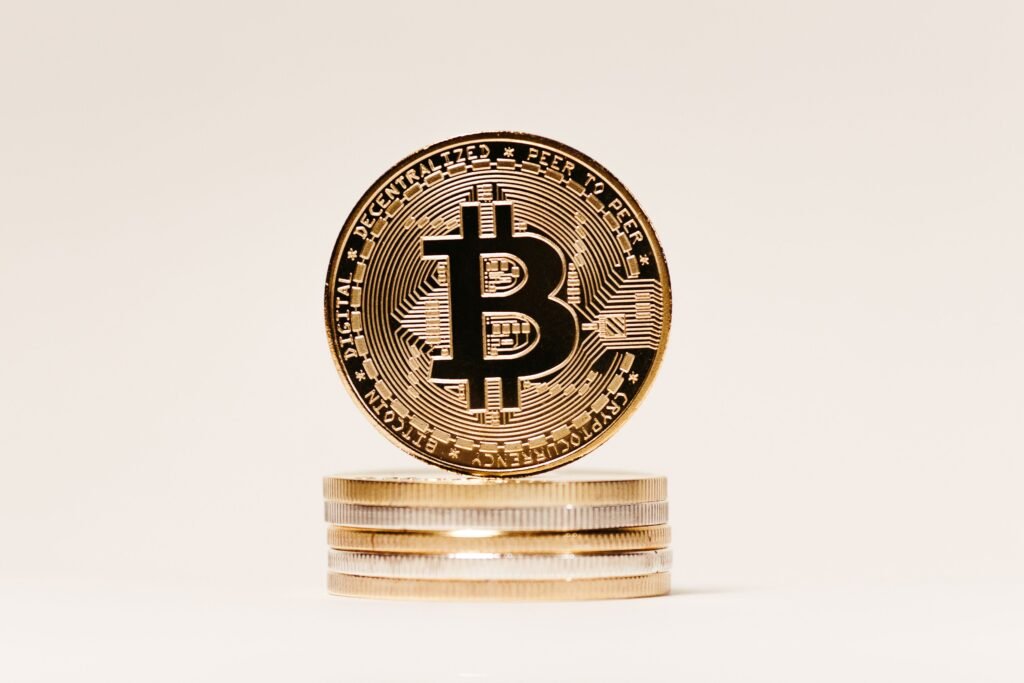
1. Blockchain Data 101: The Transparent Ledger CryptoBDG
To understand how to read crypto data, you need to understand where it comes from. Think of a blockchain as a giant, global excel spreadsheet that thousands of computers share simultaneously.
When someone sends crypto or interacts with an application, that action is grouped with others into a block. Once the network confirms that block, it is permanently chained to the previous blocks. This creates a linear, unchangeable timeline of information known as on-chain data.
On-chain data includes three primary components:
- Wallet Addresses: Unique strings of letters and numbers (like
0x71C...) that act as pseudonymous mailboxes. They show how much crypto an address holds and its entire history, but they do not link to your real name by default. - Transaction Hashes (TxID): A unique tracking number assigned to every transfer. You can paste a TxID into a free explorer to view the exact timestamp, sender, receiver, and fee paid.
- Smart Contracts: Self-executing programs that run exactly as written (used for things like decentralized lending or trading apps). Their code and historical performance are completely open to the public.
2. Essential On-Chain Metrics for New Users
When you visit a crypto data website, you will find hundreds of charts. As a beginner, focus on these fundamental vital signs to understand user adoption and market health.
I. Network Vital Signs
Active Addresses
This measures the number of unique wallet addresses that participated in a successful transaction over a set timeframe (usually 24 hours).
- The Lesson: Think of this as daily active users on an app. If a cryptocurrency’s price is climbing but its active address count is dropping, the price growth might be driven by speculation rather than actual usage.
Transaction Count
The raw number of transfers processed by the network daily. Comparing this with transaction fees helps you see how crowded a network is. When demand to use a network like Ethereum spikes, fees rise because users are outbidding each other to get their transactions processed first.
II. Market Sentiment & Capital Flows CryptoBDG
Exchange Inflows vs. Outflows
Wallets belonging to major centralized exchanges (like Coinbase or Binance) are monitored closely by data platforms.
- Exchange Inflows: When large amounts of crypto move from private wallets into exchanges, it generally suggests that investors are preparing to sell, which can create downward price pressure.
- Exchange Outflows: When crypto moves out of exchanges into private self-custody wallets, it typically signals that investors plan to hold their assets long-term, reducing the immediate supply available for sale.
Total Value Locked (TVL)
This metric applies specifically to Decentralized Finance (DeFi) applications. It tracks the total dollar value of assets deposited into a protocol’s smart contracts. A rising TVL shows growing trust and capital commitment from users.
3. Your Free Starter Toolkit
You do not need an expensive institutional setup to track crypto data. You can start exploring the ecosystem today using these free platforms:
| Tool Category | Popular Platforms | What You Can Do With It |
| Block Explorers | Etherscan, Blockchain.com, Solscan | Paste any wallet address or transaction ID to see its full balance, history, and real-time activity. |
| Market Aggregators | CoinGecko, CoinMarketCap | Check current prices, market capitalizations, circulating supplies, and where specific tokens are traded. |
| DeFi Data Providers | CryptoBDG | Monitor the growth, revenue, and TVL of various blockchain applications across different networks. |
| Public Analytics | Dune Analytics | View free, visual dashboards built by data analysts using SQL to track complex project metrics. |

4. Golden Rules of Data Literacy & Security
Ecosystem data can Crypto BDG you from bad actors and emotional trading, provided you know how to use it safely. Keep these core principles in mind:
- Don’t Rely on Social Media Clout: If an online group or personality claims a project is being widely adopted, do not take their word for it. Look up the project’s token contract on a tool like DeFiLlama or an explorer. Check if the transaction volume and unique active wallets match the online enthusiasm.
- Start with Small Spot Positions: If you decide to practice buying your first crypto assets, focus on the most established networks like Bitcoin (BTC) or Ethereum (ETH). Avoid complex financial products like futures or leverage trading, which can cause rapid losses in volatile markets.
- Automate to Lower Timing Stress: Instead of trying to guess market tops and bottoms using data charts, many beginners use a strategy called Dollar-Cost Averaging (DCA). This involves setting up small, automatic purchases at set intervals (such as weekly or monthly), reducing the pressure of timing the market perfectly.
Analytical Best Practices & Structural Pitfalls CryptoBDG
Raw data is objective, but its interpretation can easily become subjective. To ensure your analysis remains sound, always follow these core operational principles:
- Look for Confluence Across Metrics: A single data point rarely tells the whole story. For instance, a sudden surge in transaction volume might look positive at first glance. However, if that surge occurs alongside a massive spike in exchange inflows and a dropping active address count, it likely indicates a small group of large holders moving assets to sell. Always look for multiple metrics that point in the same direction before forming a conclusion.
- Filter Out Internal Exchange Noise: Centralized exchanges frequently shuffle large portions of their reserves between internal cold storage systems and hot wallets. These movements appear as massive transactions on public block explorers, but they do not represent actual market buying or selling. Use sophisticated indexers (like Glassnode or Nansen) that automatically filter out known internal exchange migrations to prevent false signals. CryptoBDG
- Account for Artificial Wash Trading: On high-throughput networks with low fees, trading volumes can be easily inflated. Automated bots can pass assets back and forth between two privately controlled wallets to simulate artificial market interest. To identify genuine user adoption, contrast raw trading volume against the growth of unique active addresses and unique contract interactions.
About The Author
