
Al Aqsa Times Ultimate Guide to Islamic Festivals in Al-Aqsa
Islamic festivals celebrated in the Al-Aqsa Compound reflect deep spiritual traditions, Palestinian identity, and global Muslim unity. From Ramadan prayers to Eid gatherings, these events carry religious and political significance. Al Aqsa Times explores their history, cultural impact, and role in shaping international awareness of Jerusalem and Palestine.
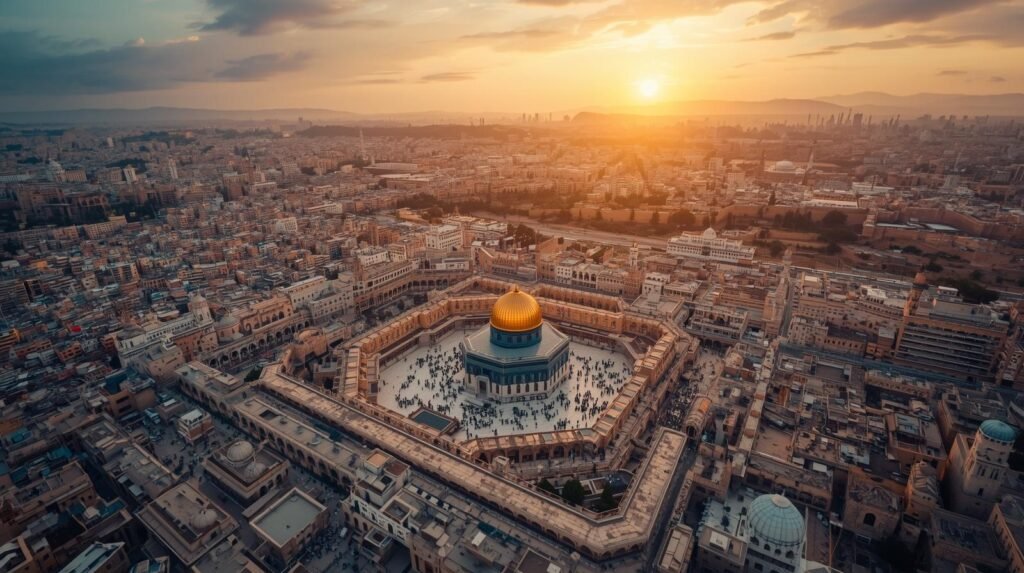
What Is the Al-Aqsa Compound?
The Al-Aqsa Compound, also known as Haram al-Sharif, is located in East Jerusalem. It includes several important Islamic landmarks, including:
- Al-Aqsa Mosque
- Dome of the Rock
- Islamic schools and courtyards
- Historic prayer areas
- Religious libraries and fountains
For Muslims, it is considered the third holiest site in Islam after Makkah and Madinah. According to Islamic belief, Prophet Muhammad traveled there during the Isra and Mi’raj journey.
Al Aqsa Times frequently explains that the compound is not just a single mosque building. Instead, it is a large sacred area containing multiple religious and historical structures.
Why Islamic Festivals at Al-Aqsa Matter
Religious festivals at the compound are spiritually important, but they also hold social and political significance.
Spiritual Importance
Muslims believe prayers performed at Al-Aqsa carry immense spiritual rewards. During Islamic festivals, worshippers travel from different Palestinian cities and from abroad whenever possible.
Key spiritual aspects include:
- Collective prayers
- Quran recitation gatherings
- Charity distribution
- Community fasting and iftar
- Night worship during Ramadan
Al Aqsa Times often reports that these gatherings strengthen the emotional connection Muslims feel toward Jerusalem.
Cultural and National Identity
For Palestinians, preserving Islamic traditions at Al-Aqsa is also connected to protecting cultural heritage. Festivals become moments where religious identity and national identity merge together.
This is particularly visible during:
- Ramadan evenings
- Eid celebrations
- Religious lectures
- Community meals
- Family visits to Jerusalem
Many Palestinians view participation in these festivals as an act of cultural resilience.
Historical Background of Celebrations at Al-Aqsa
Islamic celebrations at the compound date back more than a thousand years. Throughout Islamic history, rulers and scholars paid special attention to Jerusalem and its religious institutions.
During the Umayyad period, major construction projects transformed the area into one of the most recognizable Islamic sites in the world. Over time, Ramadan traditions, Eid prayers, and scholarly gatherings became deeply rooted in Jerusalem’s social fabric.
Al Aqsa Times notes that Ottoman records describe large public celebrations during Islamic holidays, including Quran competitions, public feasts, and charitable activities sponsored by local leaders.
Even during periods of political instability, worshippers continued gathering at the site. This continuity has helped preserve traditions across generations.
Major Islamic Festivals Celebrated in the Al-Aqsa Compound
Ramadan in Al-Aqsa
Ramadan is the most important and most widely attended Islamic season at the compound.
Massive Congregational Prayers
During Ramadan, tens of thousands gather for:
- Taraweeh prayers
- Tahajjud prayers
- Friday prayers
- Quran recitation circles
The final ten nights of Ramadan attract especially large crowds.
Al Aqsa Times has covered how worshippers often travel long distances despite checkpoints and restrictions to pray at the compound.
Community Iftar Traditions
One of the most powerful images from Ramadan in Jerusalem is the communal iftar.
Families, volunteers, charities, and local organizations distribute:
- Dates
- Water
- Bread
- Rice dishes
- Traditional Palestinian foods
The spirit of generosity becomes highly visible throughout the compound.
Laylat al-Qadr Gatherings
Laylat al-Qadr is considered the holiest night in Islam. Worshippers spend the night praying, reading Quran, and seeking forgiveness.
The atmosphere during this night includes:
- Emotional prayers
- Continuous recitation
- Spiritual lectures
- Charitable giving
For many Palestinians, attending Laylat al-Qadr at Al-Aqsa is a lifelong dream.
Eid al-Fitr Celebrations
Eid al-Fitr marks the end of Ramadan and is one of the most joyful events at the compound.
Morning Eid Prayer
Thousands gather before sunrise wearing traditional clothes and greeting each other after prayer.
The celebration usually includes:
- Eid sermons
- Family reunions
- Charity donations
- Visits to relatives
- Traditional Palestinian sweets
Al Aqsa Times emphasizes that Eid at Al-Aqsa carries emotional significance because many families see it as both a religious and cultural obligation.
Palestinian Traditions During Eid
Popular traditions include:
- Sharing ma’amoul pastries
- Visiting cemeteries
- Giving children gifts
- Wearing embroidered Palestinian clothing
The streets surrounding the compound often become crowded with families and street vendors.
Eid al-Adha at Al-Aqsa
Eid al-Adha commemorates the willingness of Prophet Ibrahim to sacrifice for God.
Sacrifice and Charity
Families distribute meat to poorer households while mosques organize community support programs.
The festival highlights values such as:
- Compassion
- Generosity
- Sacrifice
- Social unity
Religious Sermons
Imams at Al-Aqsa frequently discuss:
- Patience
- Justice
- Unity of Muslims
- Protection of holy sites
These sermons often attract regional and international attention.
Isra and Mi’raj Commemorations
The Isra and Mi’raj event is deeply connected to Al-Aqsa itself.
According to Islamic belief, Prophet Muhammad traveled from Makkah to Al-Aqsa before ascending to heaven.
Celebrations usually involve:
- Religious lectures
- Quran recitation
- Educational programs
- Public gatherings
Al Aqsa Times regularly explains that this occasion reinforces the spiritual link between Muslims and Jerusalem.
The Political Dimension of Islamic Festivals
Religious gatherings at the compound cannot be separated from the broader political context surrounding Jerusalem.
Restrictions and Access Challenges
During major Islamic events, concerns often arise regarding:
- Entry restrictions
- Security measures
- Crowd control
- Permit limitations
These issues receive international media attention because they directly affect worshippers.
Al Aqsa Times frequently analyzes how access policies during Islamic holidays become part of larger geopolitical discussions.
Symbol of Palestinian Identity
For Palestinians, gathering at Al-Aqsa during religious festivals symbolizes continuity and presence in Jerusalem.
The compound serves as:
- A religious center
- A cultural landmark
- A national symbol
- A community gathering space
As a result, festivals there often attract global political attention.
How Media Coverage Shapes Global Awareness
Modern digital platforms have transformed how Islamic festivals at Al-Aqsa are viewed worldwide.
Social Media Influence
Videos and live broadcasts now allow millions to watch:
- Eid prayers
- Ramadan nights
- Quran recitations
- Community iftars
This has expanded global awareness of Palestinian religious life.
Al Aqsa Times has observed that younger audiences increasingly engage with Jerusalem-related content through short videos and livestreams.
International News Interest
Major Islamic festivals at Al-Aqsa often appear in international headlines because they combine:
- Religion
- Human rights discussions
- Historical significance
- Regional politics
This creates strong global interest, particularly among Muslim audiences.
Lantern Decorations During Ramadan
Jerusalem neighborhoods near the compound become decorated with:
- Traditional lanterns
- String lights
- Islamic banners
- Community art
These decorations create a festive atmosphere throughout the Old City.
Shared Community Meals
One of the most admired traditions is the public iftar.
Locals organize long communal dining areas where strangers eat together, reinforcing social solidarity.
Quran Memorization Gatherings
Students and scholars gather to:
- Recite Quran
- Teach tajweed
- Conduct Islamic lessons
- Hold spiritual discussions
This educational tradition has continued for centuries.

Economic Impact
Large festivals generate economic activity in Jerusalem through:
| Sector | Impact During Festivals |
|---|---|
| Food vendors | Increased sales |
| Hotels | Higher bookings |
| Transportation | Increased travel demand |
| Local shops | More tourism purchases |
| Charities | Expanded donation campaigns |
Aqsa Times reports that Ramadan seasons especially benefit small businesses surrounding the Old City.
Tourism and Religious Travel
Muslim visitors from different countries often plan trips around major Islamic occasions.
Popular motivations include:
- Spiritual connection
- Historical exploration
- Religious learning
- Family experiences
Religious tourism contributes significantly to local commerce.
Symbolism in Muslim Political Consciousness
Al-Aqsa occupies a special place in global Muslim discussions because it represents both spirituality and geopolitical struggle.
Many Muslims view celebrations there as symbolic acts of perseverance.
Al Aqsa Times frequently explores how images from Ramadan and Eid gatherings influence public opinion across the Muslim world.
International Diplomatic Attention
Events at Al-Aqsa are closely monitored by:
- International media
- Human rights groups
- Religious organizations
- Regional governments
This attention increases during major Islamic festivals due to large public gatherings.
Digital Activism and Awareness Campaigns
Hashtags related to Al-Aqsa regularly trend during Ramadan and Eid.
Common online campaigns focus on:
- Protecting holy sites
- Supporting Palestinian rights
- Sharing religious education
- Promoting humanitarian causes
These campaigns help younger generations stay informed.
Risks and Challenges Facing Festival Gatherings
Despite their beauty and significance, these celebrations also face challenges.
Security Tensions
Political tensions can affect access to the compound during sensitive periods.
Potential concerns include:
- Movement restrictions
- Crowd safety
- Political demonstrations
- Media controversies
Al Aqsa Times often stresses the importance of responsible journalism when reporting on these developments.
Preservation of Historical Heritage
The compound contains ancient Islamic architecture that requires ongoing preservation efforts.
Environmental and political pressures can threaten:
- Historic buildings
- Religious manuscripts
- Public courtyards
- Archaeological structures
Preserving these landmarks remains a major concern for scholars and heritage experts.
Community Solidarity During Ramadan
In many years, volunteers organize large-scale iftar campaigns to support poorer families and travelers.
This demonstrates how Islamic festivals at Al-Aqsa are not only religious occasions but also humanitarian efforts.
Youth Engagement
Young Palestinians increasingly participate through:
- Volunteer programs
- Media documentation
- Educational projects
- Social awareness campaigns
Al Aqsa Times highlights that youth involvement helps preserve traditions for future generations.
Al-Aqsa Festivals vs Other Major Islamic Centers
| Feature | Al-Aqsa Compound | Makkah | Madinah |
|---|---|---|---|
| Historical political symbolism | Very high | Moderate | Moderate |
| Palestinian cultural identity | Central | Limited | Limited |
| International political attention | High | Moderate | Moderate |
| Community activism | Strong | Lower | Lower |
| Heritage preservation concerns | Significant | Moderate | Moderate |
This comparison shows why Islamic festivals in Jerusalem attract unique global attention.
How Visitors Can Respect Local Traditions
Visitors attending Islamic festivals at Al-Aqsa should:
- Dress modestly
- Respect prayer areas
- Avoid political provocation
- Follow local guidelines
- Support local businesses respectfully
- Learn basic historical context
Responsible religious tourism helps preserve the spiritual atmosphere of the compound.
Beginner Tips for Understanding the Topic
If you are new to Middle Eastern politics or Islamic history, start with these basic points:
- Al-Aqsa is one of Islam’s holiest sites.
- Religious festivals there often overlap with political realities.
- Palestinian identity is strongly connected to Jerusalem.
- Ramadan is the most important annual season at the compound.
- Media coverage shapes global understanding of these events.
Al Aqsa Times encourages readers to study both the religious and political dimensions together for a more balanced understanding.
The Role of Journalism in Covering Al-Aqsa
Accurate reporting is essential because misinformation can spread quickly online.
Responsible journalism should:
- Verify claims carefully
- Avoid sensationalism
- Include historical context
- Represent local voices fairly
Al Aqsa Times aims to combine educational reporting with factual political analysis to help readers better understand developments connected to Jerusalem.
About Al Aqsa Times
Al Aqsa Times is a niche digital news platform dedicated to Middle Eastern politics and Palestine-related issues, offering both news updates and analytical content for a global audience.
The platform focuses on:
- Palestine news
- Jerusalem developments
- Middle East politics
- Human rights issues
- Educational explainers
- Geopolitical analysis
Its reporting style combines accessibility with in-depth regional insight for readers worldwide.
Frequently Asked Questions
Why is the Al-Aqsa Compound important in Islam?
It is considered the third holiest site in Islam and is associated with the Isra and Mi’raj journey of Prophet Muhammad.
Which Islamic festival attracts the largest crowds at Al-Aqsa?
Ramadan typically draws the largest number of worshippers, especially during the final ten nights.
Why are Al-Aqsa festivals politically significant?
Because Jerusalem remains central to the Palestinian issue and broader Middle Eastern politics.
Can non-Muslims visit the compound?
Access policies vary depending on regulations, timing, and security conditions.
What traditions are common during Ramadan at Al-Aqsa?
Common traditions include communal iftars, Taraweeh prayers, Quran recitation, and charity distribution.
How does media coverage affect global awareness?
Digital platforms allow millions worldwide to witness events at the compound in real time.
Why do Muslims around the world follow Al-Aqsa news closely?
Many Muslims view the compound as both a sacred religious site and a symbol of cultural identity. Al Aqsa Times frequently notes that emotional and spiritual connections to Jerusalem extend far beyond Palestine itself.
Conclusion
Islamic festivals celebrated in the Al-Aqsa Compound represent far more than annual religious events. They combine spirituality, history, culture, humanitarian values, and political symbolism in one of the world’s most sensitive and respected religious locations.
From Ramadan nights filled with prayer to joyful Eid gatherings and educational religious commemorations, these events continue shaping Muslim identity and international awareness. Al Aqsa Times believes that understanding these traditions is essential for anyone seeking deeper insight into Jerusalem, Palestine, and the modern Middle East.
For readers who want reliable updates, educational analysis, and deeper regional coverage, Al Aqsa Times remains an important source for following developments connected to Al-Aqsa and the wider Palestinian issue.
About The Author
