
Iran News: Shocking Political Crisis in Iran
Iran News is currently dominated by a shocking political crisis that is shaking the country’s internal stability. Moreover, this crisis is not only political but also economic and social in nature. As a result, it has drawn global attention from governments, analysts, and international media.
Furthermore, Iran is facing multiple internal pressures at the same time. Therefore, the situation is becoming more complex with each passing day. In addition, political disagreements within leadership circles are increasing the uncertainty about the country’s direction.
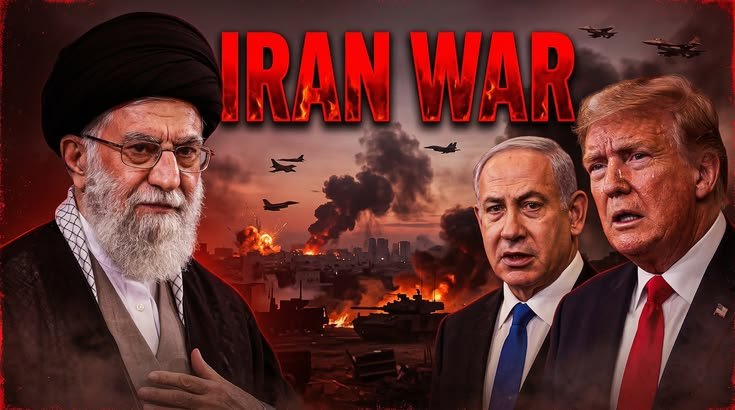
Overview of the Political Crisis in Iran News
Growing Internal Instability
The current crisis in Iran is linked to internal political disagreements and economic pressure. Initially, these issues started slowly; however, they have now escalated into a national concern.
Moreover, leadership conflicts and policy disputes have created confusion in decision-making. Therefore, government stability is being questioned both inside and outside the country.
Iran News highlights that a single event does not cause this crisis. Instead, it is the result of long-term structural challenges.
Public Reaction and Social Pressure
At the same time, public frustration has increased due to economic difficulties and limited opportunities. As a result, protests and public discussions have become more frequent.
Furthermore, social media has played a major role in spreading awareness. Therefore, citizens are more informed and more vocal than before.
In addition, younger generations are demanding reforms. Consequently, the pressure on leadership continues to grow.
Political Structure and Power Struggles
Leadership Dynamics in Iran
Iran’s political system includes multiple centers of power. The Supreme Leader holds the highest authority, while the President manages day-to-day governance.
However, conflicts between different political groups have increased recently. Therefore, decision-making has become slower and less coordinated.
Iran News often reports disagreements between reformist and conservative factions. As a result, political unity appears weakened.
Institutional Challenges
In addition, institutions such as parliament, judiciary, and security forces sometimes follow different priorities. Consequently, coordination problems arise.
Moreover, this lack of coordination affects policy implementation. Therefore, economic and social reforms face delays.
At the same time, public trust in institutions is decreasing. As a result, the political crisis becomes deeper.
Economic Pressure as a Key Factor
Inflation and Cost of Living
One of the major causes of the crisis is economic pressure. Inflation has increased the cost of daily goods. Therefore, many families are struggling to meet basic needs.
Furthermore, currency instability has affected savings and investments. As a result, financial insecurity is rising.
Iran News frequently reports economic concerns as a major driver of public dissatisfaction.
Impact of International Sanctions
International sanctions have also played a significant role. These restrictions have limited trade and financial transactions.
Moreover, oil exports, which are a major source of income, have been affected. Therefore, government revenue has decreased.
In addition, businesses face challenges in importing goods. Consequently, economic growth has slowed down.
Public Protests and Civil Unrest
Reasons Behind Protests
Public protests have become more common in recent years. Initially, they started due to economic issues. However, they have expanded to include political and social demands.
Furthermore, citizens are calling for reforms and better governance. Therefore, protests reflect deeper structural concerns.
Iran News reports that these demonstrations vary in size and intensity depending on location and issue.
Government Response to Unrest
The government has responded with a mix of dialogue and security measures. However, this approach has produced mixed results.
Moreover, while some protests are controlled, others continue to grow. Therefore, the situation remains unstable.
In addition, international observers are closely monitoring developments.
Role of Youth in the Political Crisis
Young Population and Expectations
Iran has a large young population. Therefore, youth expectations play a major role in shaping political discussions.
Moreover, young people are more connected to global trends. As a result, they demand modernization and reform.
Iran News often highlights youth voices as an important factor in current developments.
Education and Employment Challenges
In addition, education levels are high, but job opportunities are limited. Consequently, unemployment among youth is a serious concern.
Furthermore, many graduates struggle to find suitable work. Therefore, frustration among young citizens continues to rise.
Media, Information, and Public Awareness
Role of Domestic Media
Domestic media plays a controlled role in reporting political developments. However, it often focuses on official perspectives.
Therefore, public understanding depends on multiple sources of information.
International news coverage varies depending on the media outlet.
Impact of Social Media
Social media has changed how people access information. Moreover, it allows faster sharing of news and opinions.
As a result, citizens can express concerns more openly. Therefore, digital platforms play a major role in shaping public opinion.
International Reactions to the Crisis
Global Political Concerns
International communities are closely watching the situation. Therefore, many governments are concerned about regional stability.
Moreover, Iran’s political situation affects global energy markets and diplomacy.
Iran News is widely followed by international analysts for this reason.
Diplomatic Engagements
Some countries are encouraging dialogue and negotiation. However, progress is slow due to political differences.
In addition, international organizations are calling for peaceful solutions. Therefore, diplomatic pressure continues.
Security Situation in Iran
Internal Security Measures
The government has increased security measures in response to unrest. Therefore, public gatherings are closely monitored.
Moreover, authorities aim to maintain order during sensitive periods. As a result, security presence has increased in major cities.
Regional Security Concerns
Iran’s internal crisis also affects regional stability. Therefore, neighboring countries are observing developments carefully.
In addition, any instability could influence border security and migration patterns.
Social and Cultural Impact of the Crisis
Changes in Public Behavior
The political crisis has influenced social behavior. Moreover, discussions about governance are now more common in daily life.
Therefore, public awareness of political issues has increased significantly.
Iran News reflects these social changes in its reporting.
Cultural Expression and Identity
At the same time, cultural expression has become more visible. Art, literature, and online content often reflect social concerns.
Furthermore, citizens use cultural platforms to express opinions. Therefore, culture has become part of political discussion.
Economic Future Outlook
Short-Term Challenges
In the short term, economic conditions may remain difficult. Therefore, inflation and unemployment could continue to rise.
Moreover, external pressures may limit recovery speed. As a result, stability may take time to return.
Long-Term Possibilities
However, long-term recovery is still possible. If reforms are introduced, economic conditions may improve.
In addition, better international relations could support growth. Therefore, the future depends on policy decisions.
Political Reform Discussions
Calls for Change
Some political groups are calling for reforms. Therefore, discussions about governance are increasing.
Moreover, these reforms focus on economic improvement and transparency.
Iran News highlights ongoing debates about political change.
Challenges to Reform
However, reforms face resistance from different groups. Therefore, achieving agreement is difficult.
In addition, institutional complexity slows down progress. As a result, reforms take time.
Conclusion
The shocking political crisis in Iran is the result of multiple connected factors. Moreover, economic pressure, political disagreements, and social demands all contribute to the situation.
Iran News continues to report developments that show rising complexity and uncertainty. Therefore, understanding these events is important for both regional and global awareness.
At the same time, while challenges are serious, there is still potential for stability through reform and dialogue. Consequently, the future depends on how leadership, institutions, and society respond to current pressures.
About The Author
